In recent years, the popularity of e-cigarettes has skyrocketed, with many people turning to these devices as a supposedly safer alternative to traditional tobacco products. However, despite the common perception, e-cigarettes contain a cocktail of chemicals that warrant a closer look. Dive deep into the substances found in e-cigarettes and understand what might be lurking beyond the visible vapors.
Understanding E-liquid Composition

E-liquids, the substance heated to create the vapor in e-cigarettes, consist mainly of propylene glycol and vegetable glycerin. These two ingredients form the base that carries the flavoring and nicotine, if present. While both propylene glycol and vegetable glycerin are considered relatively harmless, especially when used in food and cosmetics, their effects when inhaled are still under extensive scrutiny.
Flavoring Agents and Their Risks
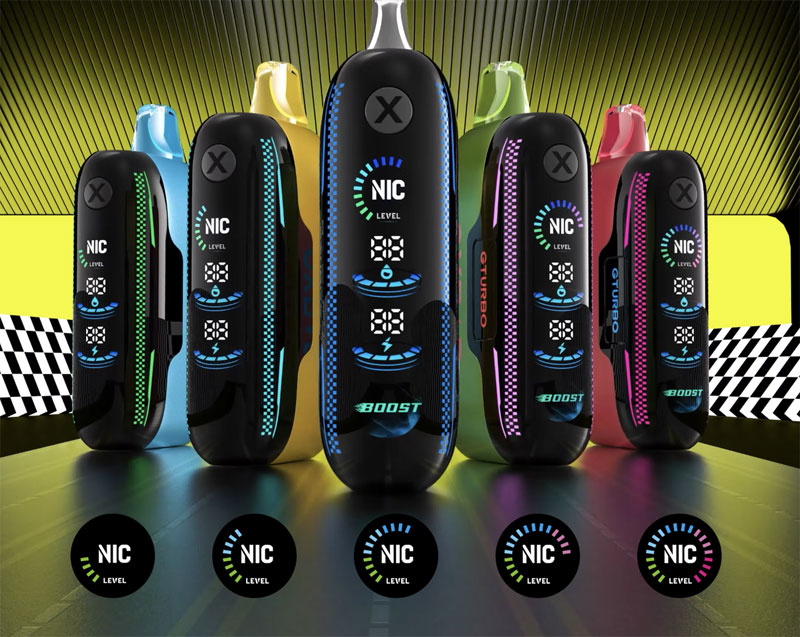
One of the attractive features of e-cigarettes is their variety of flavors. However, these flavoring agents, often derived from diacetyl and acetyl propionyl, can pose risks. Diacetyl, which imparts a buttery flavor, has been linked to respiratory ailments, including the infamous “popcorn lung,” a condition known as bronchiolitis obliterans. While many manufacturers have vowed to eliminate diacetyl, some testing reveals its presence in many popular e-liquid brands.
Unknown Chemical Additives
Besides the basic ingredients and flavorings, e-cigarettes might contain various other chemicals introduced during manufacturing or through the chemical reactions occurring at high temperatures. For instance, formaldehyde, a well-known carcinogen, may form under certain conditions, posing significant health risks to users.
Research highlights that e-cigarettes can emit potentially harmful fine particles and metals such as lead, cadmium, and nickel, all of which have been associated with chronic health conditions.
Impact of Nicotine
Nicotine remains a critical component of many e-cigarettes, sustaining the addictive nature similar to traditional cigarettes. This potent stimulant, aside from contributing to addiction, can impact cardiovascular health and brain development, particularly in younger populations. It’s essential to recognize that nicotine’s presence in e-cigarettes is often misjudged as benign.
Are E-cigarettes Safer?
While e-cigarettes may present fewer toxicities compared to conventional smoking products, understanding the breadth of chemicals involved reveals that they are far from harmless. Users should consider the potential cumulative effects of inhaling these substances over time.
Frequent User Questions
- Can e-cigarettes help quit smoking?
- While some find e-cigarettes helpful for quitting smoking, they are not FDA-approved cessation devices. Their effectiveness varies widely among individuals.
- What is the role of propylene glycol in e-cigarettes?
- Propylene glycol acts as a carrier for flavors and nicotine in e-liquids, aiding in vapor production. Though deemed safe for ingestion, inhalation effects need more research.
- Do all e-cigarettes contain nicotine?
- No, there are nicotine-free e-liquids available for those who prefer to avoid it. However, users should be cautious of potentially misleading labeling.