Understanding Electronic Cigarette Risks
In recent years, the popularity of electronic cigarettes has surged as they are often marketed as a safer alternative to traditional smoking. However, the risks associated with electronic cigarettes are not always apparent. It is crucial to delve into the health implications and hazards associated with vaping to make informed decisions.
The Health Risks of Vaping
Electronic cigarette risks largely stem from the inhalation of aerosol produced by heating the e-liquid. This aerosol contains harmful substances such as nicotine, formaldehyde, and other toxic chemicals that can adversely affect respiratory health. Long-term exposure may lead to complications such as chronic obstructive pulmonary disease (COPD) and heart disease.
Nicotinic Addiction and Its Effects
Although electronic cigarettes offer a way to avoid the harmful tar found in traditional cigarettes, they still deliver nicotine—a highly addictive substance. Addiction to nicotine can result in increased anxiety levels, irritability, and other mental health issues. Moreover, nicotine addiction tends to escalate, leading users to consume higher doses over time.
Many users assume that vaping is harmless due to the absence of combustion and smoke, but this is a misconception. The aerosol generated still contains ultrafine particles that can penetrate deep into the lungs.
Impact on Youth and Adolescents
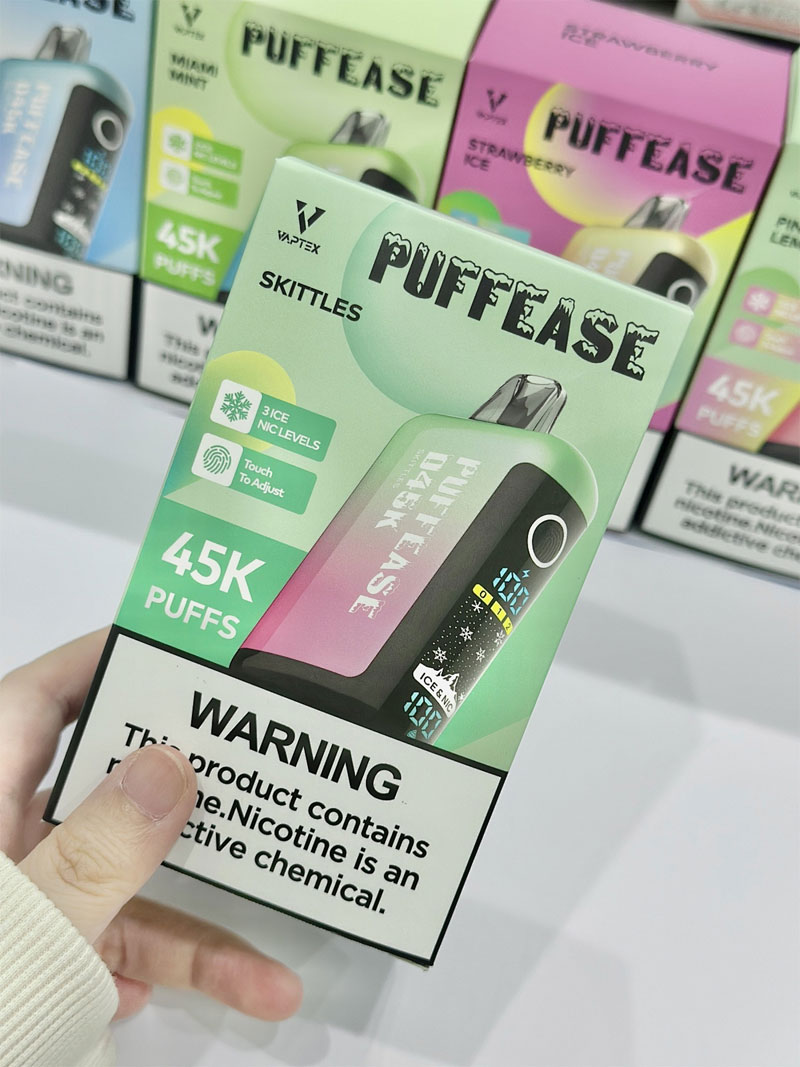
The enticing flavors and colorful packaging of e-cigarettes attract a younger audience, raising concerns about exposure to nicotine at an early age. Studies indicate that young individuals who start with vaping are more likely to transition to conventional tobacco use, perpetuating a cycle of addiction and health risks.
Environmental Concerns
In addition to health risks, electronic cigarettes pose environmental challenges. The disposal of e-cigarettes contributes to electronic waste due to their complex components, which are not biodegradable, thereby affecting ecosystem balance and health.
Contaminants in E-Liquids
While e-liquids are primarily composed of nicotine, propylene glycol, and glycerin, the presence of flavoring agents can introduce a host of harmful contaminants into the aerosol. Some flavoring agents contain diacetyl, a compound known to cause “popcorn lung,” a severe form of irreversible lung damage.