The Complete Guide to E Cigarette Ingredients & Safer Alternatives
Are you curious about e cigarette ingredients or want to ensure your vaping habits align with a safer lifestyle? This detailed article explores the fundamental and lesser-known ingredients found in e-cigarettes, empowering you to make informed choices. As the popularity of vaping devices climbs globally, so too does the discussion around what goes into your e-cig and how these components affect your health and vaping experience.
What Are E Cigarette Ingredients?
The substance inside an e-cigarette, commonly called e-liquid or vape juice, is the main consumable component. Understanding the exact e cigarette ingredients is essential for both new and experienced vapers, given that ingredient makeup can differ among brands and product types.
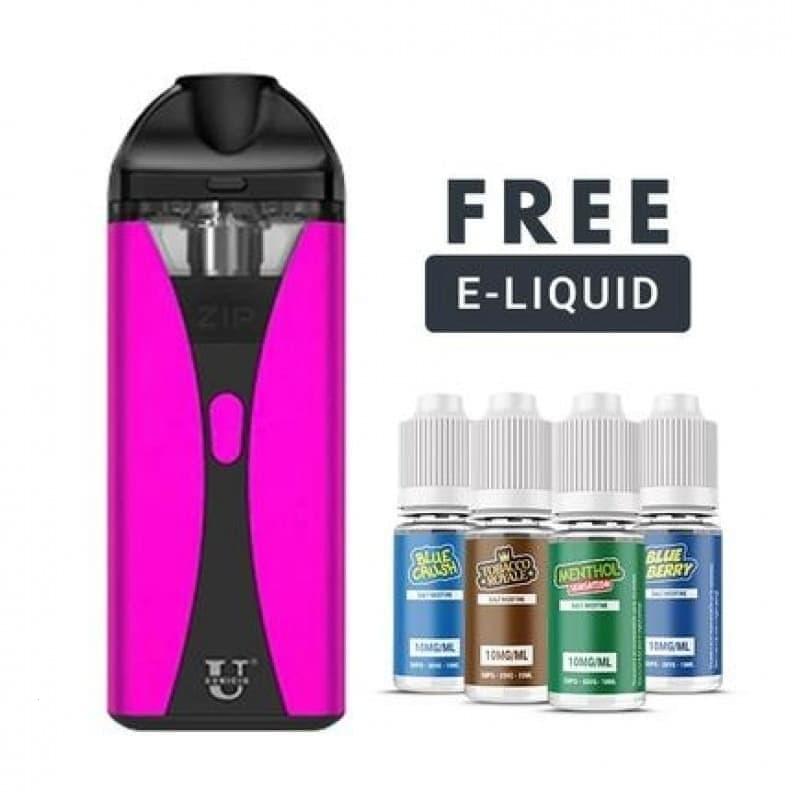
- Propylene Glycol (PG): A synthetic organic compound, PG is a clear, odorless liquid serving as a base in most e-liquids. Known for its ability to carry flavors and provide a throat hit similar to tobacco, PG is Generally Recognized as Safe (GRAS) by the FDA for ingestion but its inhalation impact continues to be studied.
- Vegetable Glycerin (VG): Sourced from vegetable oils, VG is thicker than PG. Its presence in e cigarette ingredients allows for denser vapor production, giving you that characteristic vape cloud many users love. It is also GRAS for consumption.
- Nicotine: Derived from tobacco leaves or synthesized in laboratories, nicotine is the primary addictive substance in e-liquids. The amount can vary substantially, from zero to extremely high concentrations, depending on user preference and regulations.
- Flavorings: An array of food-grade, often proprietary flavoring agents are used to create the diverse range of e-liquid flavors available on the market. These can be natural or artificial, and their safety profiles are largely deduced from food industry data rather than inhalation studies.
Other Potential E Cigarette Ingredients
While the four main e cigarette ingredients account for the vast majority of vape juices, certain additives and contaminants find their way into some products. Examples include:
- Sweeteners
- Colorants
- Preservatives and stabilizers
- Alcohol (often used as a solvent)

On the less desirable side, studies have occasionally identified the accidental presence of volatile organic compounds (VOCs), heavy metals, and particulate matter, usually arising from device heating elements or unsanctioned manufacturing processes.
Variations in E Cigarette Ingredients By Brand and Region
The concentration and quality of e cigarette ingredients can differ based on manufacturer location, company ethos, and compliance with local regulatory bodies. Premium brands often use pharmaceutical-grade ingredients and transparently label their contents. In contrast, unregulated e-liquids (especially those bought from informal markets) may contain impurities or undisclosed chemicals.
Regulation and Label Transparency
Countries such as the United States (with the FDA), the United Kingdom, and the European Union each have regulations governing labeled nicotine limits, banned substances, and testing requirements for e-liquid production. Always check for third-party lab testing and clear ingredient disclosures when selecting a product.
How E Cigarette Ingredients Affect Health and Safety
Tips for Choosing Safer E-Liquids
- Purchase e-liquids from reputable vendors who provide full ingredient lists and compliance certificates.
- Avoid products with unknown or excessive additives, and beware of unusually cheap deals that may signal counterfeit goods.
- Monitor the expiration date and storage guidelines to maintain e-liquid safety and potency.
- Consider reducing or eliminating nicotine as you progress to minimize its physiological impact.
Trends in E Cigarette Ingredients for Health-Conscious Vapers
Modern vape users are increasingly interested in natural flavorings, organic vegetable glycerin, and the option to vape without nicotine. Some newer e-liquids specifically market themselves as “nicotine-free” or “organic vape juice,” addressing consumer demand for safer and simpler ingredient lists. Moreover, the rise of transparent lab testing has set new industry standards, helping ensure that e cigarette ingredients match what’s advertised.

Common Misconceptions About E Cigarette Ingredients
Some users mistakenly believe that all e-liquid ingredients are 100% safe simply because they are food-grade. While their ingestion is widely approved, inhalation can have different physiological results. Also, not every flavor or additive used in food is suitable for vaporization and inhalation, underscoring the need for evidence-based regulation and careful product selection.
Are All E Cigarette Ingredients Identical?
The formulation of e cigarette ingredients varies brand to brand and sometimes even between batches. Differences affect vapor density, flavor quality, throat hit, and overall enjoyment, so experimenting with different blends is common among enthusiasts.
Conclusion: Making Informed Choices
By understanding what goes into e-liquids and how different e cigarette ingredients interact, users can better assess the risks and benefits associated with their choices. Prioritizing transparency, quality, and ongoing learning ensures a safer and more enjoyable experience in the rapidly evolving world of vaping.
FAQs About E Cigarette Ingredients
- Are there any harmless e cigarette ingredients?
- Most basic e-liquid compounds such as VG and PG are relatively safe for oral intake, but their long-term inhalation impact requires further research. No e-liquid ingredient is entirely harmless when inhaled, especially nicotine and certain flavorings.
- Should I avoid flavored e-liquids?
- Flavored e-liquids increase enjoyment, but only purchase from reputable brands that test for hazardous compounds in their flavors. Avoid black market or DIY vape liquids with undisclosed or questionable ingredients.
- Can I vape with zero nicotine?
- Yes, there are plenty of nicotine-free options, which can be safer for non-smokers or those trying to reduce dependence. Always assess overall e cigarette ingredients for other substances of concern.