E Cigarette vs Nicotine Patch: Evaluating Smoking Cessation Strategies
Quitting smoking is an important yet challenging step towards improving health. Among popular cessation methods, e cigarettes and nicotine patches stand out, but how do they compare in terms of effectiveness, safety, and user experience? Understanding the distinctions can help tobacco users choose the most suitable path.
The Mechanisms Behind E Cigarettes and Nicotine Patches
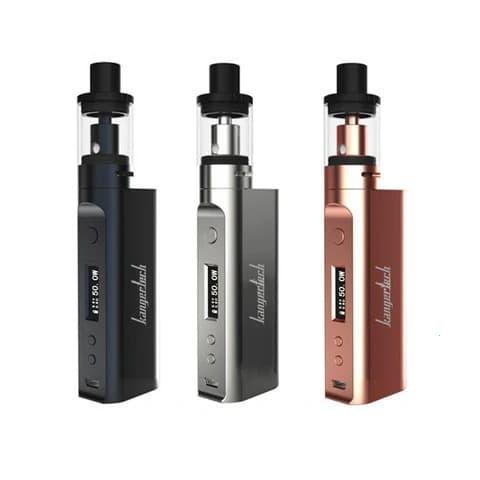
E cigarettes, also known as electronic nicotine delivery systems (ENDS), simulate the act of smoking by vaporizing liquid containing nicotine, which is inhaled. Driven by modern technology, these devices offer flavors and nicotine strengths catering to individual preferences. On the other hand, nicotine patches are transdermal products applied to the skin, releasing controlled doses of nicotine over a designated period. Their function is to reduce withdrawal symptoms by gradually decreasing dependency without involving inhalation or hand-to-mouth rituals associated with cigarettes.
Comparing Effectiveness: E Cigarette vs Nicotine Patch for Quitting Smoking
While both methods deliver nicotine to minimize cravings, studies indicate differences in cessation rates. Research from various clinical trials suggests e cigarettes often outperform traditional nicotine replacement therapies (NRTs) like patches. Why? E cigarettes mimic the behavioral aspects of smoking, which can address both physical and psychological dependencies. In some randomized controlled trials, users of e cigarettes reported higher quit rates after 12 months compared to those using nicotine patches. However, the absolute effectiveness relies on adherence, nicotine strength, and device sophistication.
Benefits of E Cigarettes in Smoking Cessation
- E cigarettes offer customizable nicotine levels and flavors, enhancing the transition from smoking by allowing personalization.
- The hand-to-mouth action replicates the smoking experience, supporting behavioral changes for those who struggle with habit cues.
- Immediate relief from cravings is available with each inhalation, compared to the slower release of nicotine from patches.
The Strengths of Nicotine Patches
- Nicotine patches are discreet, odorless, and easy to use without the need for devices or batteries.
- They provide a consistent dose over up to 24 hours, reducing peaks and troughs in blood nicotine levels.
- Patches are well-studied and recommended by many health organizations for their safety and minimal side effects.
Potential Risks and Considerations
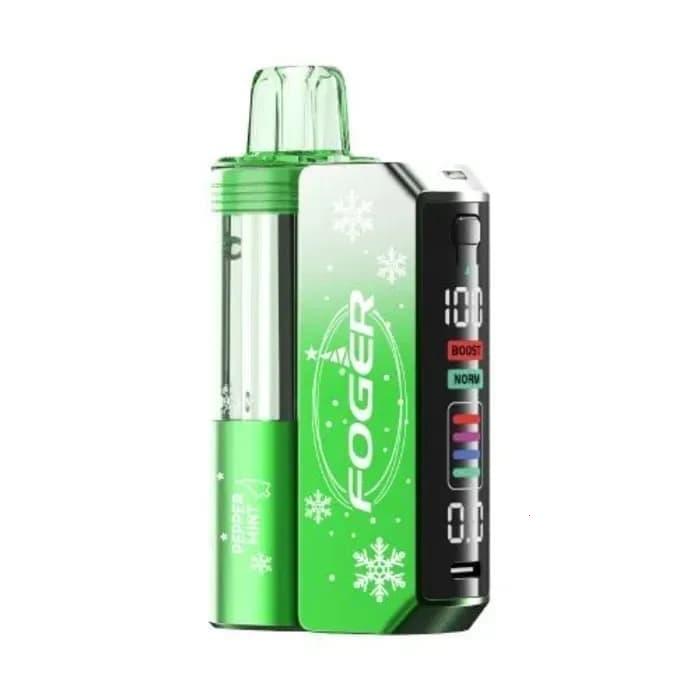
Despite their benefits, users must consider potential drawbacks. E cigarettes deliver variable nicotine concentrations and, while generally less toxic than combusted tobacco, can contain harmful chemicals. Long-term safety data is limited, with concerns about respiratory health, especially in youth or non-smokers. Nicotine patches can cause skin irritation, sleeplessness, or mild nausea, and may not address the psychological rituals linked to cigarette use.
Cost Comparison: Which Is More Affordable?
The cost of e cigarette vs nicotine patch depends on usage patterns and product choices. E cigarettes often require an initial investment for a device plus ongoing purchases of e liquid and replacement parts. Patches are purchased as packs providing a set number of days’ supply. Over months of cessation, e cigarettes may be more expensive, especially for heavy users who enjoy premium liquids and advanced hardware, while patches offer predictable costs.
User Experience: Convenience and Satisfaction
Many smokers express satisfaction with e cigarettes due to their versatility and resemblance to smoking. The ritualistic process and immediate nicotine delivery play crucial roles in maintaining motivation. Conversely, some prefer nicotine patches for their simplicity, low visibility, and lack of paraphernalia. Personal stories highlight mixed preferences, suggesting effectiveness and adherence are highly individual.
Guidance from Health Professionals
For those seeking to quit, consulting healthcare providers about e cigarette vs nicotine patch choices helps navigate risks and tailor treatment. Some professionals advise starting with NRTs, while others acknowledge the promising evidence for e cigarettes. Blending methods—using patches during busy hours and e cigarettes when cravings intensify—may work for some but should be approached with medical oversight.
Conclusion: Choosing the Right Method
Choosing between e cigarette and nicotine patch depends on personal habits, health history, and preferences. E cigarettes may be more effective for smokers attached to rituals and in need of instant nicotine relief, while patches remain a safe, proven solution for gradual quitting. Both require commitment and, ideally, support from health professionals or cessation groups.
Frequently Asked Questions
- Which method works faster for relieving cravings?
- E cigarettes deliver nicotine instantly through inhalation, so they may work quicker for immediate cravings than patches, which release nicotine slowly.
- Are e cigarettes safer than nicotine patches?
- While both reduce exposure to cigarette toxins, nicotine patches have a longer history of safety. E cigarettes’ long-term health effects are still being studied, especially concerning respiratory risks.
- Can you use an e cigarette and a nicotine patch together?
- Some individuals use both to balance persistent cravings and routine withdrawal. However, double use can increase nicotine intake. Medical guidance is recommended before combining methods.