Travel-smart guide from E-liquidy: practical advice on taking vaping gear on flights
This comprehensive travel guide addresses the common question many vapers have: E-liquidy readers often ask, “can you take an e cigarette on an airplane?” The short answer is generally yes, but the practical and legal realities are nuanced and vary by airline, country, and equipment. In this long-form resource we explain rules, safety tips, packing checklists, and how to avoid delays or confiscations at security checkpoints. Whether you’re planning a domestic hop or a multi-leg international trip, these vetted recommendations will help you move through airports with confidence and compliance.
Why rules matter: safety, batteries, and liquid restrictions
Understanding why carriers and regulators restrict certain items helps you plan better. Lithium batteries used in most e-cigarettes can pose fire risks if shorted or damaged. Likewise, e-liquids are subject to liquid carriage rules, especially when packed in carry-on bags. Security authorities such as the TSA, IATA, and civil aviation bodies in the EU, UK, Australia, Canada, and elsewhere provide guidance that airlines incorporate into their policies. Knowing these foundations reduces surprises and improves your travel experience.
Core principles to remember about e-cigarettes and flights
- Carry-on is preferred:
 Airlines and regulators typically require powered vaping devices and spare batteries to be carried in the cabin, not in checked luggage.
 - Don’t vape on board: Using an e-cigarette inflight is prohibited across nearly all carriers; this includes charging and using the device in lavatories.
- Liquid limits still apply: Standard 100 ml / 3.4 oz container limits for carry-on liquids apply to e-liquids unless you have airline-specific exemptions for medical items.
- Battery safety matters: Use insulated storage or original packaging for spare batteries to prevent shorts and accidental activation.
Practical packing checklist for carry-on
- E-cigarette devices: Store your device in a protective case to prevent damage and accidental firing. Remove tanks with e-liquid if you’re concerned about pressure changes or leakage.
- Spare batteries: Keep these in your carry-on and use a protective battery case or non-conductive covers for terminals.
- E-liquids: Keep bottles under 100 ml each and place them inside a resealable clear plastic bag in line with general liquid rules. Larger volumes should be checked with the airline or mailed ahead.
- Chargers and cables: Pack in your carry-on; do not charge devices on board unless permitted by airline policy (rare).
- Documentation: Have proof of purchase or MSDS for nicotine e-liquids if crossing borders with restricted substances or if you have high-nicotine concentrations.
How to pack e-liquids properly
When considering whether can you take an e cigarette on an airplane with your favorite liquids, think of liquids packaging best practices: use leak-proof caps, keep bottles upright, and group them in a single TSA-style clear bag for quick inspection. Use travel-sized bottles that comply with limits, and consider emptying tanks to bring minimal liquid. If you’re carrying nicotine-containing liquids internationally, check local restrictions—some countries classify nicotine as a pharmaceutical and restrict importation or require prescriptions.
Airline and regional rules: variations to expect
Policies differ: some carriers have strict bans on all vaping equipment, others allow devices but forbid charging inflight. Examples: major US carriers typically allow devices and e-liquids in carry-on but not checked baggage; European carriers follow EU Aviation Safety Agency guidance with similar rules; some Middle Eastern and Asian airlines restrict or ban e-cigarettes entirely. Before travel, verify your airline’s written policy and review the destination country’s customs rules for nicotine and e-liquid importation. When in doubt, contact the airline’s customer service and ask for written confirmation.
Security screening and typical outcomes
At security, e-cigarettes and associated items will be inspected. You should expect to remove devices from bags if requested and present e-liquid bottles in your liquids tray. Security officers may ask you to power on your device to demonstrate it’s not improvised. If it won’t power on due to battery removal, clearly explain that the battery is stored separately and show the battery case. Be cooperative, organized, and ready to accept additional screening.
Common pitfalls and how to avoid them
- Packing in checked luggage: Never pack devices with batteries installed in checked bags; this is a major cause of confiscation and potential fines.
- Overlooking country bans: Some countries seize e-cigarettes and e-liquids at customs—research local laws before you travel.
- Loose batteries and terminals: Prevent shorts by covering exposed terminals and using proper storage containers.
- Using or charging onboard: Refrain from using or charging your device on the aircraft to avoid enforcement actions and safety concerns.
Advanced gear and mods: special considerations
High-wattage mods, squonkers, and mechanical devices can raise extra questions. If your device lacks safety features found in regulated mods, security or airline staff may be more cautious. For mechanical mods without proper switches, declare the item upfront and keep it isolated from liquids. For devices with removable batteries and large capacity cells, ensure you comply with battery capacity limits set by airlines and regulators (some carriers limit spare batteries to 100 Wh or require airline approval over 100 Wh). Always quantify battery size and bring documentation if needed.
International travel: duties, customs, and local laws
Going abroad means you may encounter novel rules: some nations restrict nicotine content, others forbid all electronic nicotine delivery systems. EU member states generally allow e-cigarettes but have national variations on packaging and nicotine limits. The UK has clear guidance allowing devices in carry-on but prohibits use onboard. Countries like Singapore, Japan, and Thailand have stringent bans and heavy penalties. Verify destination customs websites and embassy advisories to avoid legal trouble. If your route has stopovers in countries with strict bans, be cautious about transiting with e-liquids or devices that might be accessible to authorities during transfer.
 E-liquidy explores can you take an e cigarette on an airplane and offers smart packing tips and airline rules” />
Medical exemptions, prescriptions, and documentation
If you use an e-cigarette as part of smoking cessation under medical advice, carry documentation from a healthcare provider. Some countries may provide limited exemptions for therapeutic nicotine products. However, medical documentation rarely overrides airline baggage rules about batteries and liquids—rather, it can assist with customs inspections for medical supply allowances.
Packing strategies to minimize leaks and pressure issues
Air pressure changes can cause e-liquid bottles and tanks to leak. To reduce risk: do not overfill tanks; leave them partially empty to allow pressure equalization; tighten caps firmly; store bottles upright and inside sealed bags; consider silicone sleeves for tanks and bottles; use travel-specific bottles with double-seal lids. If crossing many time zones or long-haul flights, change out of tanks likely to leak and bring pre-filled disposable pods as backup.
Battery handling and safety tips
Lithium batteries must be treated with respect: keep contacts covered, avoid carrying loose batteries unprotected, and never store batteries in pockets with metal items like keys or coins. Airlines may restrict batteries over certain capacities—if your battery is above 100 Wh but below 160 Wh you usually need airline approval; over 160 Wh batteries are generally banned from passenger aircraft. When in doubt, carry batteries in their original packaging or a dedicated battery case sold for transport.
How security screens devices: what to expect
Security scanners can flag e-cigarettes due to unfamiliar components. Be prepared to remove your device from carry-on for separate screening. If asked to demonstrate that the device functions, do so away from secure zones and under staff instruction. If you prefer not to power on, explain and show battery storage; many officers will accept this. Packables that appear modified or homemade are more likely to trigger extended checks—avoid traveling with unbranded or jury-rigged devices when possible.
Tips for transit and connecting flights
When you have connecting flights, check policies for each carrier and for the transit country. Items allowed in one country might be confiscated in another if security personnel inspect during layovers. Keep important items accessible in your carry-on so you can show them quickly during intermediate screenings. If transit involves luggage transfer to checked baggage, ensure your items are placed appropriately before check-in.
Packing example and pre-flight routine
Suggested pre-flight routine: 48 hours before flight, verify airline policy; 24 hours before, repack and ensure liquids are under limit; at security, prepare a single bag of liquids with e-liquid bottles and present spare batteries separately in a case. Sample packing list: 1-2 devices in protective cases, spare batteries (each in a covered case), chargers and cables, e-liquid bottles under 100 ml in a clear bag, battery safety sheet or device manual if requested, and a small tool kit for adjustments (note: tools may be restricted—check airline tool rules).
What to say at security if questioned
Be concise and factual: “These are personal electronic nicotine delivery devices and spare lithium batteries. Devices are powered off and batteries are stored safely in a protective case in my carry-on.” If officers ask about contents of liquids, state the nicotine strength and that bottles comply with carry-on limits. If traveling internationally, provide any prescription or medical letters only if requested by customs or health officials.
Common myths and misconceptions
- “All e-cigarettes are banned everywhere” — Not true; most airlines allow carrying devices, but usage and storage rules vary.
- “You can check batteries safely” — Generally false; checked baggage is discouraged for spare batteries due to fire risk.
- “Duty-free liquids are always okay” — Duty-free e-liquids may still be subject to carry-on liquid limits when connecting flights are involved; keep receipts and original sealed packaging for proof.
Special scenarios and case studies
Case: Long-haul traveler with multiple high-capacity batteries. Best practice: seek airline approval in advance, carry batteries in approved cases, and limit active devices. Case: Traveler connecting through a strict country. Best practice: do not leave devices unattended in checked luggage, and if necessary, arrange to ship gear legally to your destination ahead of arrival. Case: Battery malfunctions during security. Best practice: inform staff immediately and follow their instructions; do not attempt to power on or repair on site.
Remember airline examples
Some carriers publish clear vaping policies on their websites—check these as part of flight planning. While policies evolve, the consistent international theme is: devices and spare batteries in carry-on only; no vaping onboard; liquids within 100 ml carry-on limits; and special approval for oversized batteries. Common carriers that publicly confirm similar rules include major US, European, Canadian, Australian and many international operators—however always verify the specific flight.
How to prepare for unexpected inspections or seizures
Plan for the possibility that items may be confiscated. Keep replacement kits or travel-size options in separate luggage, and consider mailing expensive or irreplaceable gear ahead of your arrival. When an item is seized, ask for documentation if available and note the contact information for the agency or airline staff that made the decision; this can help in appeals or clarifications later.
Legal considerations and fines
Penalties for violating local laws can range from fines to criminal charges in jurisdictions with strict prohibitions. Even in transit, possessing e-cigarettes or e-liquids in a country where they are banned can lead to confiscation and legal scrutiny. Prioritize research and compliance to avoid unnecessary penalties.
Summary checklist before you fly
- Verify airline and destination rules at least 48 hours in advance.
- Pack devices and spare batteries in carry-on, in protective cases.
- Place e-liquids under 100 ml each in a clear travel bag for screening.
- Keep chargers and cables accessible and never attempt to charge on board without permission.
- Bring documentation if traveling with large batteries or medical exemptions.
Final thoughts: traveling confidently with vaping gear
When asking “can you take an e cigarette on an airplane?” the answer guided by E-liquidy‘s practical recommendations is: yes, with preparation. Adopting the above safety practices, respecting airline policies, and packing thoughtfully will reduce the odds of inconvenience. Frequent travelers should build a standardized vape travel kit that aligns with airline and international rules and update it whenever regulations change.
Quick reference tips
- Always carry devices in the cabin.
- Use sealed bottles and keep liquids under 100 ml.
- Cover battery terminals and use a battery case.
- Do not vape or charge on the plane.
- Check local laws at your destination; some countries ban e-cigarettes entirely.
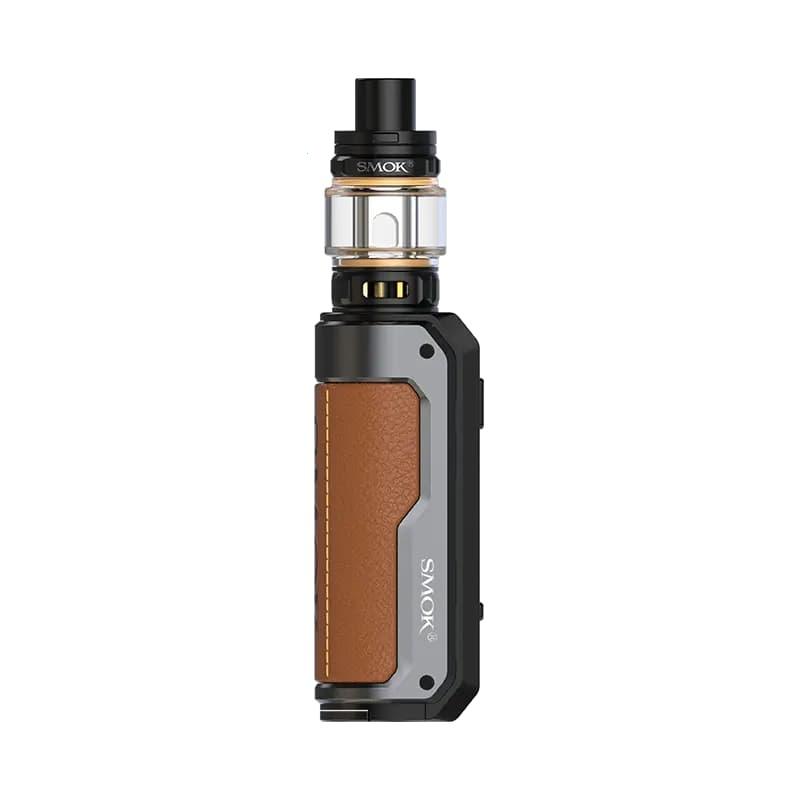
Recommended travel kit items
The travel kit should include: a padded device case, spare atomizers in sealed bags, a battery case for spare cells, 100 ml e-liquid bottles in a clear quart bag, a small cloth to wipe leaks, a copy of device specifications and battery ratings, and a printed copy of airline policy if available. Keep this kit in your primary carry-on to ensure rapid inspection and compliance.
Where to get reliable updates
Reliable sources include the official airline website, civil aviation authority pages for the countries you travel through, and recognized travel advisories. Community forums can offer anecdotal insights but should not replace official rules. For new or unusual hardware, check manufacturer guidance and safety data sheets (SDS) for the liquids you carry.
By following these guidelines and respecting both safety and regulatory frameworks, travelers can reduce stress and travel smoothly. The E-liquidy approach emphasizes preparation, clear labeling, and careful packing so the answer to “can you take an e cigarette on an airplane” becomes a confidently managed yes, rather than a gamble.
FAQ
Q1: Can I check an e-cigarette in my checked luggage?
A1: You should avoid placing powered e-cigarettes and spare lithium batteries in checked bags. Most airlines require these items in carry-on luggage to manage fire risk. Tanks with e-liquid are safer in carry-on too to avoid leakage and temperature-related issues.
Q2: How many e-liquid bottles can I bring in my carry-on?
A2: Follow the standard liquid limit—each bottle must be 100 ml / 3.4 oz or smaller and fit inside a single resealable clear bag. If you need larger amounts for medical reasons, contact the airline and relevant authorities in advance and carry documentation.
Q3: Are there countries where e-cigarettes are banned?
A3: Yes—some countries have strict bans or heavy restrictions, and penalties can be severe. Always check the destination and any transit countries’ regulations before travel.
Q4: What if my spare batteries are over airline limits?
A4: Batteries above 100 Wh usually require airline approval and batteries above 160 Wh are typically prohibited on passenger aircraft. Contact the airline well before travel to seek authorization or arrange alternative shipping methods.