Comprehensive buyer’s walkthrough for selecting safe, stylish containers
Choosing the right container for your vapor lifestyle is more than aesthetics — it’s about safety, organization, and the way you present products in a modern vape shop or at home. This long-form guide dives into practical, design and compliance aspects of electronic cigarette boxes, helping retailers, hobbyists and discerning customers make informed decisions. Throughout this article you’ll find a balance of product strategy, storage science, and visual merchandising tips ideal for anyone involved with a vape shop or sourcing electronic cigarette boxes for personal use.
Why packaging matters: safety first
Packaging for nicotine delivery devices and accessories is regulated in many markets. Properly designed electronic cigarette boxes reduce accidental exposure, secure batteries, and protect delicate components such as pods, coils and glass tanks. When a vape shop stocks items in compliant, robust containers, it minimizes liability, improves customer trust, and streamlines shipping and returns.
Key safety features to demand
- Child-resistant closures: A top requirement in many jurisdictions. Look for tested mechanisms that meet regional standards.
- Battery compartments: Isolate 18650/21700 or button-type cells to avoid short-circuit risks; some boxes include foam or plastic separators.
- Vapor-proof seals: Moisture barriers prevent e-liquid leakage or coil degradation.
- Material safety: Use certified, non-reactive plastics, metal tins with food-grade liners, or treated cardboard with proper inks that don’t off-gas.
- Clear labeling space: A place for safety warnings, nicotine content, batch codes and recycling icons helps compliance and traceability.
How a vape shop can check safety compliance
Retail buyers should request material evidence, test reports and sample runs. Manufacturers who produce electronic cigarette boxes for large brands often provide documentation on child-resistance testing, drop tests and battery safety. If you can’t obtain certification, insist on independent third-party testing prior to bulk orders.
Storage best practices: prolong device life and maintain flavor
Correct storage goes beyond a pretty display. Temperature, humidity, and light exposure affect coil lifespan, e-liquid stability and battery health. When recommending storage boxes to customers or planning inventory for a vape shop, consider these practical guidelines:
- Store e-liquids upright in dark, cool spaces; look for boxes with built-in compartments and desiccant pockets.
- Battery storage should include insulated compartments and clearly marked polarity indicators.
- Pods and coils benefit from rigid trays to avoid crushed mouthpieces or accidental contamination.
- Mod and device storage: padded sections prevent cosmetic damage and preserve resale value.
Design & style: balancing brand and function
Packaging is a tactile brand touchpoint. Thoughtful design of electronic cigarette boxes can elevate a product line in-store or online, influencing perceived value. In a competitive vape shop environment, premium boxes with embossed logos, magnetic closures, or custom foam inserts can justify higher price tiers and encourage gift purchases.
Popular aesthetic paths
Minimalist matte finishes, eco-friendly kraft materials with simple labels, and high-gloss printed boxes for limited editions are all successful strategies. When designing packaging, consider the target customer: collectors might prefer rigid boxes with numbered prints; casual users might want compact, functional storage that fits a pocket or purse.
Materials comparison: plastic, metal, cardboard and hybrid options
Each material class for electronic cigarette boxes offers trade-offs. Plastics are lightweight and moldable for complex inserts; metal tins provide durability and a premium feel; cardboard is cost-effective and recyclable when correctly treated. Hybrids — such as cardboard shells with foam interiors — often hit the sweet spot for many vape shop assortments.
Customization and private labeling
Brands and independent retailers can use customization to tell a story: color palettes, logo placement, and integrated product leaflets. Bulk ordering customized electronic cigarette boxes can lower per-unit costs and help establish a unique shelf presence. For smaller shops, consider a semi-custom approach: standardized boxes with changeable sleeves or stickers to enable seasonal promotions.
Inventory management strategies for retailers
Smart storage solutions using labeled electronic cigarette boxes streamline back-of-house operations. Use color-coded bins or printed QR tags on boxes to speed picking and to track batches that may be subject to recalls. The right box design can also serve as a merchandising tool on the sales floor: modular boxes that stack neatly make displays look organized and upscale.
Shipping and logistics: avoiding common pitfalls
When sending sensitive devices or batteries, pack with purpose-built electronic cigarette boxes that include shock absorbers and battery shrouds. A vape shop shipping nationwide should standardize on a box weight and dimension profile to reduce shipping errors, overcharges and return rates. Insure high-value shipments and use tamper-evident seals for customer confidence.
Regulatory labels and traceability
Labels are not just informative; they’re regulatory tools. Include place for nicotine strength, ingredient lists where applicable, manufacturing date, batch number and contact info. Track boxes using serialized codes or simple batch stickers so you can quickly manage any compliance inquiries. For online sellers, high-quality product photography of the box and its interior helps customers confirm what they will receive.
Eco-conscious choices and recycling
Environmental responsibility is increasingly important to customers. Choose recyclable materials, use minimal plastic where legal and practical, and include clear instructions on how to dispose of or recycle the electronic cigarette boxes. Sustainable packaging can be a selling point in a vape shop‘s marketing messaging.
Price tiers and what to expect
From budget kraft boxes to high-end magnetic closure cases, price correlates with material quality, manufacturing complexity and minimum order quantity. Retailers should plan a range of box options: entry-level cartons for starter kits, mid-range printed boxes for mainstream products, and premium rigid boxes for limited editions or collaborations.
Visual merchandising tips for brick-and-mortar stores
Use boxes to create focal points on shelves. Group by theme—starter kits, maintenance accessories, specialty flavors—and use lighting to highlight reflective surfaces. Shelf talkers can point out safety features like childproofing and battery isolation included in the box design. Cross-sell with signage that suggests compatible batteries, coils and chargers, all packaged in neat trays or compartments.
Online presentation: converting browsers into buyers
On e-commerce listings, present multiple high-resolution images of the electronic cigarette boxes, including interior shots and close-ups of security features. Describe materials, dimensions and included components in bullet lists to improve on-page SEO. Use keywords organically: mention vape shop availability, box features, and suitability for travel or gifting. Add a short video unboxing to increase engagement and reduce return rates.
DIY and hack-friendly boxes
For maker communities, boxes that allow modular inserts or perforated panels encourage creativity: users can add extra batteries, coils, or a small toolkit. A vape shop that offers blank, modifiable electronic cigarette boxes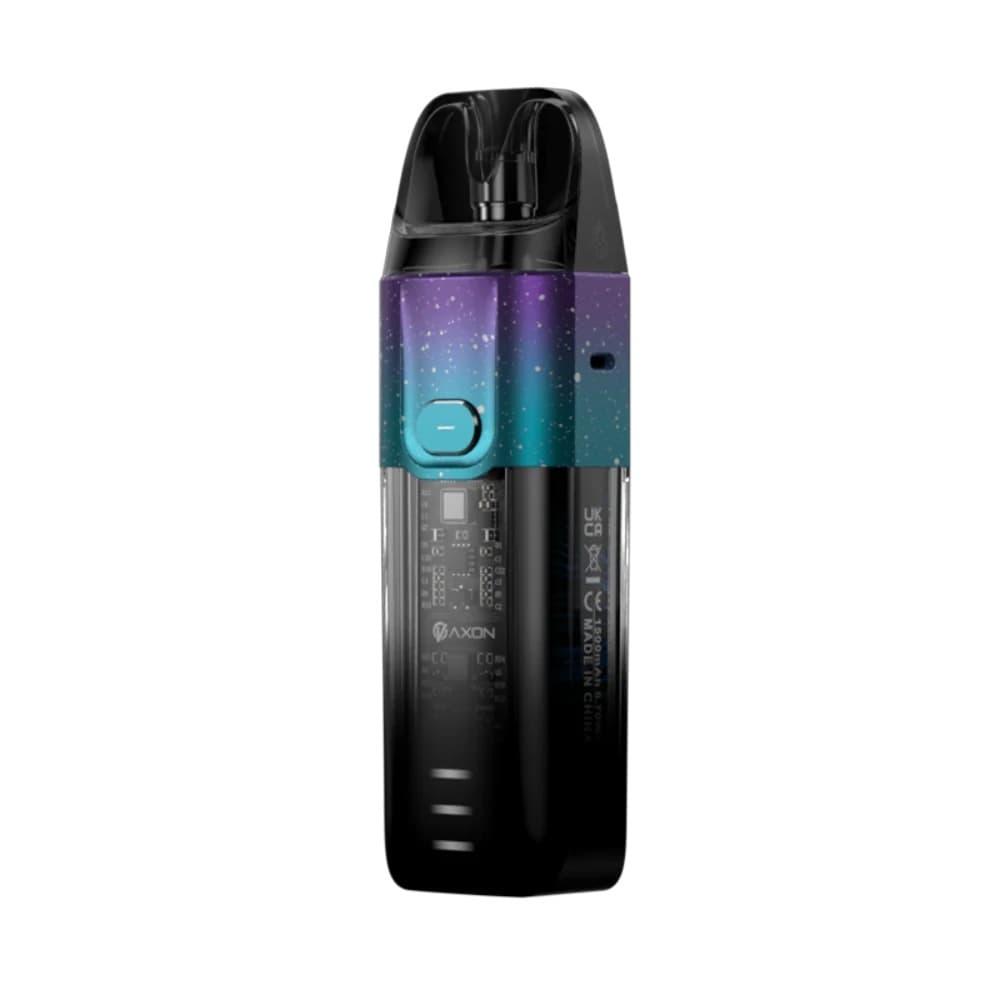 can appeal to customizers and foster store loyalty. Provide guidance on safe modifications to prevent battery shorts or e-liquid leaks.
Maintenance, cleaning and longevity
Teach customers how to keep boxes in serviceable condition: wipe interiors with a damp cloth for plastic or metal boxes, avoid soaking cardboard, and replace foam inserts if saturated. Offer replacement inserts and spare dividers for modular boxes to extend useful life and reduce waste.
Buying checklist for retailers and customers
- Verify child-resistant and battery safety test documentation.
- Assess material durability and environmental impact.
- Confirm interior layout meets product assortment needs.
- Request sample units and test drop resistance, closure strength and seal integrity.
- Plan for labeling, batch coding and online photography space.
What to ask suppliers of electronic cigarette boxes
When vetting factories, inquire about minimum order quantities, lead times, tooling fees for custom molds or inserts, color matching guarantees, and packaging recyclability. A reliable supplier will provide documentation and clear shipping estimates, and will be able to guide a vape shop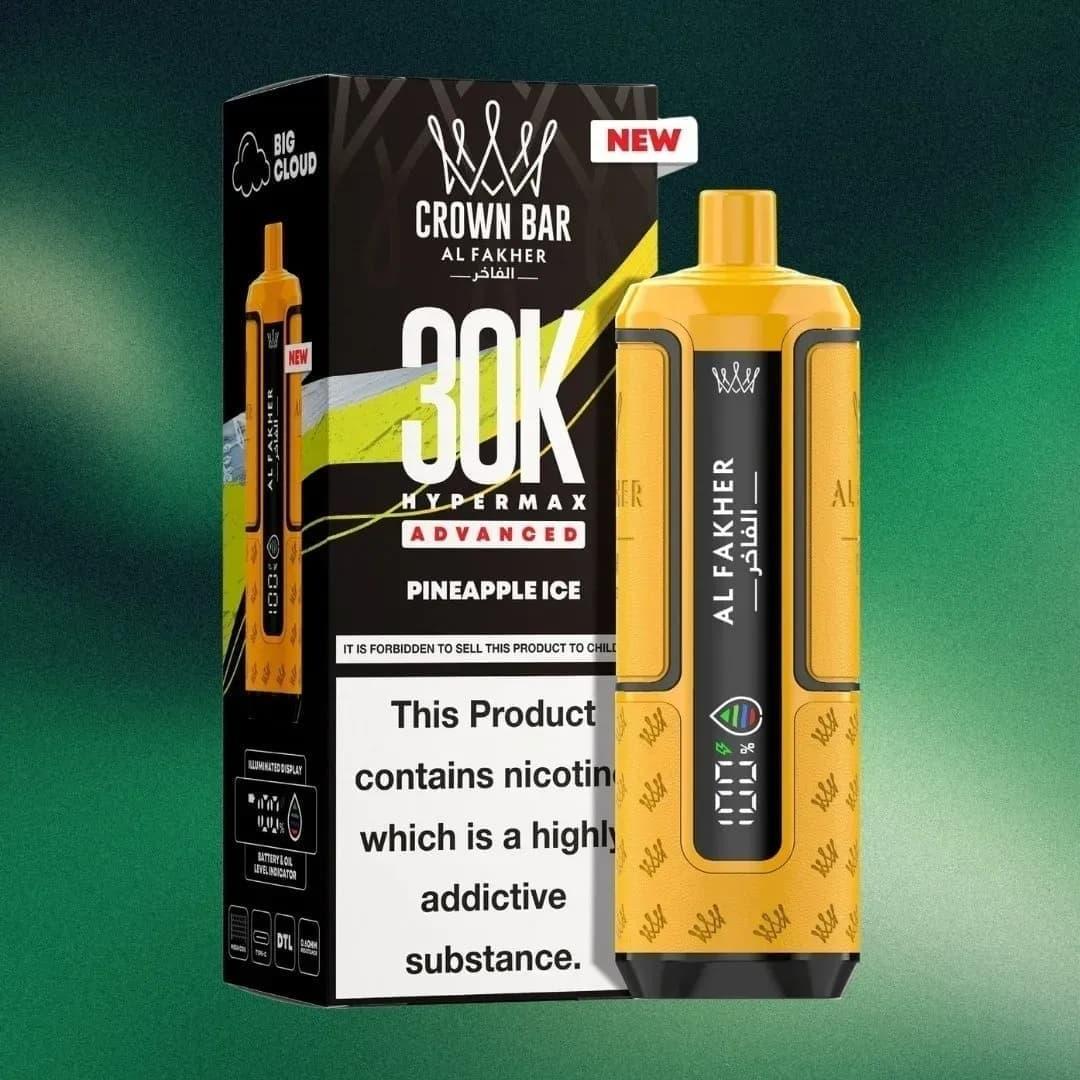 through regulatory considerations.
Common red flags
Unwillingness to provide test reports, inconsistent sample quality, or vague descriptions about materials should all raise caution. Ensure the supplier has experience producing nicotine- or battery-related packaging; those with such expertise better understand safety and labeling nuances.
Marketing your boxed products in a competitive landscape
Highlight features that matter: “child-resistant closure,” “sealed battery compartment,” “eco-friendly material,” and “premium foam insert” are phrases that convert. Use structured data on product pages for e-commerce to improve discovery, and include clear keywords such as vape shop and electronic cigarette boxes in headings and meta-descriptions on your site (note: implement meta and structured data on platform level, not here in content).
Case studies and use examples
Several specialty shops increased average order value by 12–30% after introducing a premium boxed kit with a magnetic closure and molded insert that demonstrated product protection. Another retailer reduced returns by 18% by switching to boxes with dedicated battery compartments and clearer labeling for cell types and shipping restrictions.
Cost-saving tips without compromising quality
Consider a mixed approach: standard inner trays with a customizable outer sleeve for seasonal promotions; bulk-ordering common box sizes across product lines; and negotiating tool amortization into long-term contracts to reduce unit costs.
Legal and transport considerations for batteries
Transport regulations for lithium batteries vary by carrier and region; clearly mark boxes and include insulating sleeves or separate battery packaging. A vape shop that ignores these rules risks shipment refusal or fines. Work with carriers experienced in handling e-cigarette components.
Future trends in packaging for vapor products
Expect more modular packaging, greater emphasis on sustainability, integrated QR codes that verify authenticity and origin, and smart packaging using NFC tags for warranty registration. Retailers can prepare by choosing adaptable box designs that accept inserts for evolving technologies and accessories.
Quick reference: who benefits from good packaging?
- Retailers: lower returns, higher perceived value and easier inventory management.
- Consumers: safer storage, preserved flavor and longer product life.
- Manufacturers: stronger brand presentation and fewer post-sale issues.
Summary: practical steps for getting started
1) Prioritize safety and test evidence; 2) Choose materials that fit your brand and sustainability goals; 3) Use modular designs to accommodate multiple SKUs; 4) Optimize online listings with clear images and keyword-rich headings that mention vape shop ties and the phrase electronic cigarette boxes naturally; 5) Implement labeling and batch traceability for compliance and customer confidence.
Implementation checklist for a successful rollout
- Order prototypes from multiple suppliers and run drop tests.
- Verify child-resistant and battery safety documentation.
- Design inserts for the most common product configurations.
- Create listing templates for online stores with standardized photography angles.
- Train staff in-store to explain box features and eco options to customers.
FAQ
- Are child-resistant electronic cigarette boxes necessary?
- Yes. In many jurisdictions, child-resistant packaging is required for nicotine products; even where not legally mandatory, it’s a best practice for safety and risk mitigation in a vape shop.
- Can I ship batteries inside standard boxes?
- Shipping batteries requires compliant packing and often special labeling; use boxes with insulated battery compartments and consult your carrier’s hazardous materials policies.
- What materials are most eco-friendly for these boxes?
- Recycled cardboard and responsibly sourced kraft with water-based inks are the most recyclable options; avoid mixed-material laminates that complicate recycling streams.
- How do I balance cost and quality when selecting boxes for a retail store?
- Use a tiered approach: basic protective cartons for entry-level products, mid-tier printed boxes for the core range, and premium rigid boxes for flagship devices or gift sets; this mix controls costs while maximizing impact.
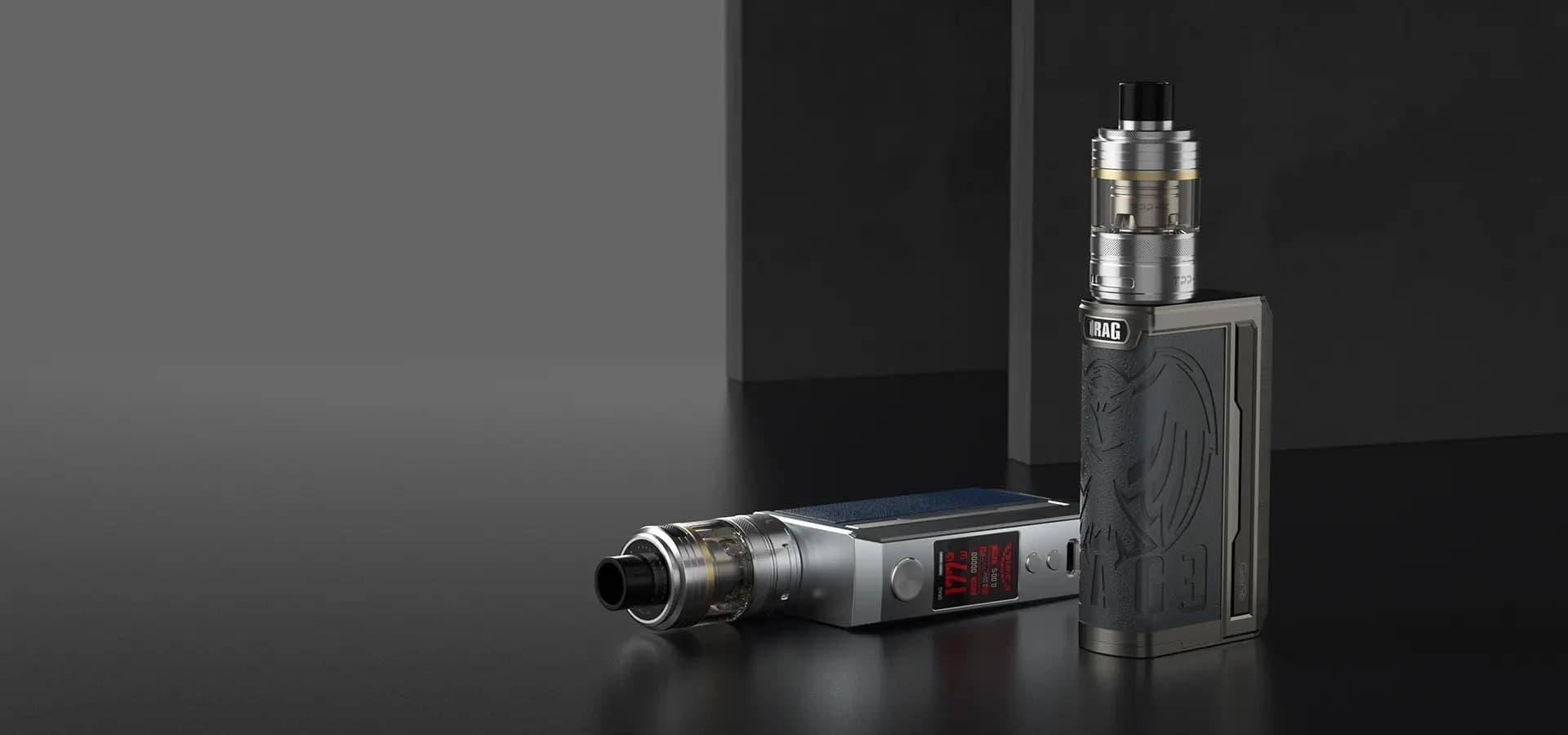
Whether you operate a boutique vape shop, manage e-commerce listings, or are a consumer seeking secure storage, investing time in selecting the right electronic cigarette boxes pays off through reduced risk, improved customer trust and better merchandising outcomes. Apply the checklists and strategies above to create a safer, more attractive offering that supports your brand and satisfies regulatory obligations.