Vape essentials: understanding the devices, ingredients and potential risks
This comprehensive guide explores the world of modern nicotine delivery systems and addresses the central question many people search for: are e cigarettes safe to use? We will examine mechanisms, short- and long-term respiratory effects, what current research indicates about lung health, addiction risks and pragmatic harm-reduction approaches. The aim is to provide clear, evidence-informed content that helps smokers, clinicians, parents and policymakers make better-informed decisions.
What is meant by “vaping” and how do devices differ?
Vaping refers to inhaling an aerosol produced by a battery-powered device that heats a liquid—commonly called e-liquid, vape juice or refill liquid. Devices range from simple disposable e-cigarettes and pod systems to refillable tanks and advanced mod devices. Key components include a battery, heating coil and reservoir for liquid. The formulation of e-liquids varies: propylene glycol (PG) and vegetable glycerin (VG) are common base solvents, nicotine concentration varies widely, and a multitude of flavoring chemicals are used. Understanding device type and liquid composition matters because they influence aerosol particle size, delivery of nicotine and formation of thermal by-products.
How vape aerosols interact with the respiratory system
When inhaled, vapor droplets deposit in the upper airway and lungs. Particle size affects deposition: smaller particles penetrate deeper into lung tissue. Some inhaled constituents may provoke airway irritation, inflammatory responses or alter normal lung defense mechanisms. A growing body of laboratory and clinical studies reports changes in respiratory cells, biomarkers of inflammation and measures of lung function among certain user groups, though effects vary widely depending on frequency of use, nicotine dose and specific formulations.
Key health considerations
- Nicotine addiction: Nicotine is pharmacologically active and addictive. Regular inhalation can sustain dependence and impact heart rate, blood pressure and brain development when exposure occurs in adolescents.
- Acute lung injury: While uncommon, cases of severe lung injury linked to vaping (EVALI) were reported and often associated with illegal cannabis-containing products and additives. Properly sourced nicotine e-liquids from reputable manufacturers lower—but do not eliminate—this risk.
- Chronic effects: Long-term respiratory outcomes remain uncertain. There is evidence of airway inflammation and changes in immune response in experimental models, and epidemiological signals suggest potential associations with chronic bronchitic symptoms and asthma exacerbation in some users.
- Cardiovascular impacts: Vaping can acutely affect vascular function and heart rate variability; long-term cardiovascular risks continue to be studied.

 Vape health guide, are e cigarettes safe to use and how Vape use affects your lungs” />
Are e cigarettes safe to use? A nuanced answer
Short answer: relative safety is complex and depends on the comparator and user profile. For an adult smoker who switches completely from combustible cigarettes to regulated nicotine e-cigarettes, many public health experts consider vaping to be likely less harmful than continued smoking because of the elimination of combustion-generated toxicants. However, that does not mean vaping is safe. For young people, pregnant people and never-smokers, initiating vaping carries risks—particularly nicotine addiction and unknown longer-term respiratory effects. The phrase harm reduction is key: vaping may reduce harm for some smokers, but the devices are not risk-free and should not be promoted to non-smokers.
Evidence highlights
Systematic reviews find that switching from combustible tobacco to e-cigarettes reduces exposure to many toxicants present in cigarette smoke. Randomized trials show e-cigarettes can help smokers quit when combined with behavioral support, but quit rates vary and dual use (smoking plus vaping) often reduces potential benefits. Observational studies report increased odds of respiratory symptoms among some e-cigarette users, especially youth. Overall, the literature emphasizes caution: while vaping may be part of tobacco control strategies for adults, regulation, product standards and surveillance are essential.
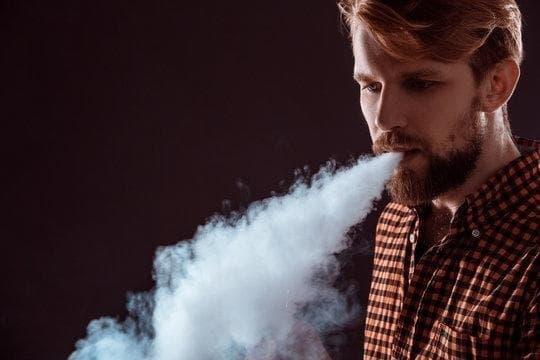
What chemicals are in vape aerosols and why they matter
Common constituents include:
- Propylene glycol and vegetable glycerin (solvents that form aerosol)
- Nicotine (in varying concentrations)
- Flavoring agents (thousands of formulations; some safe for food but not tested for inhalation)
- Thermal degradation products (aldehydes such as formaldehyde, acrolein under certain conditions)
- Metal particles (from coils and heating elements)
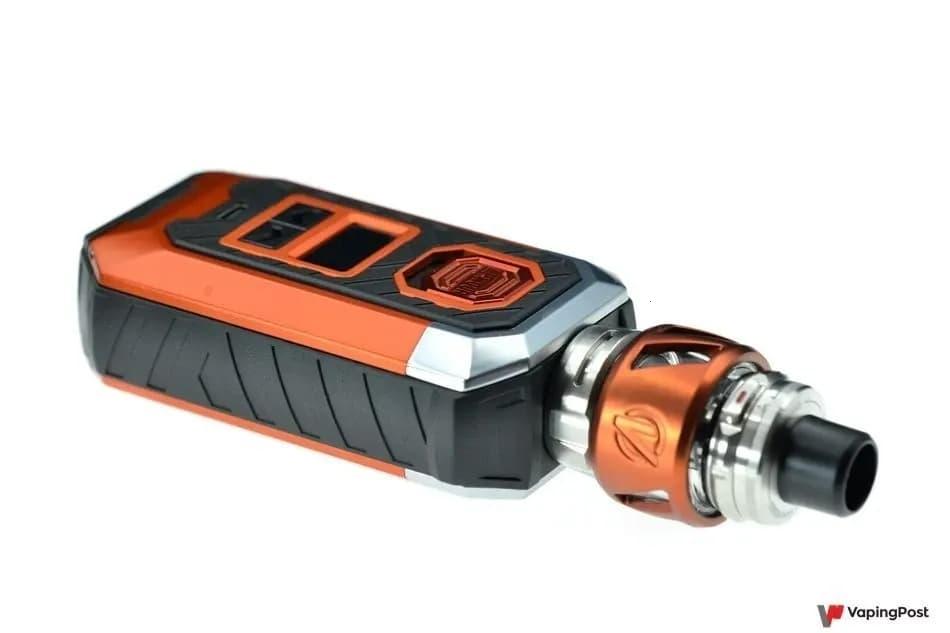
Each component contributes to biological effects. For example, some flavoring chemicals associated with buttery or creamy tastes have been linked to bronchiolitis obliterans-like pathology in occupational inhalation contexts, though direct causal pathways from vaping require further study.
How vaping affects lungs: mechanisms and clinical signals
Mechanisms by which vape aerosols may affect lung health include oxidative stress, epithelial barrier disruption, modulation of immune cell function and promotion of inflammatory signaling. Clinically, users may experience cough, wheeze, increased sputum production and shortness of breath. In some cases, imaging and pulmonary function tests show abnormalities following acute severe injury. Importantly, many studies are limited by short follow-up, confounding by prior smoking, and the heterogeneity of products used.
Vulnerable populations
Not everyone faces the same risks: adolescents are uniquely vulnerable to nicotine’s effects on the developing brain; pregnant people expose the fetus to nicotine-related risks; people with pre-existing lung disease (COPD, asthma) may experience symptom worsening; and immunocompromised individuals may have altered responses.
Practical advice for adults who currently smoke
If you are an adult smoker contemplating alternatives, here are practical harm-reduction principles:
- Complete substitution of combustible cigarettes with a regulated e-cigarette is generally more protective than dual use.
- Prefer regulated products from reliable manufacturers with transparent ingredients and quality controls.
- Aim for nicotine tapering where possible if the goal is cessation; consider behavioral support or approved pharmacotherapies.
- Be cautious with high-power devices and DIY modifications that increase thermal decomposition products.
- Avoid unregulated THC products and illicit cartridges which have been linked to acute lung injury outbreaks.
Minimizing risk if you vape
Steps to reduce harm include choosing lower-temperature devices, avoiding mixing unknown substances into liquids, replacing coils and pods as recommended, storing batteries safely and buying products with batch testing and clear labels. Monitoring symptoms such as persistent cough, chest pain or shortness of breath and seeking timely medical evaluation is crucial.
Environmental and secondhand considerations
Vape emissions are not simply “harmless water vapor”; they contain aerosolized droplets that can deposit on surfaces and are inhalable by bystanders. While passive exposure levels are generally lower than secondhand smoke from cigarettes, enclosed environments and prolonged exposure can increase risk—particularly for children and individuals with respiratory disease.
Regulation, product standards and public health policy
Effective public health policy balances adult access for smoking cessation with strong protections for youth and vulnerable groups. Regulatory strategies include setting product standards (limits on toxicants, authorized nicotine concentrations), restricting flavors that appeal to youth, enforcing age verification, and requiring clear labeling and post-market surveillance. Countries differ widely in approaches, from strict bans to regulated markets with product oversight.
Bottom line: Vaping is not harmless, but for adult smokers who completely switch from cigarettes to regulated e-cigarettes, it is likely less harmful than continuing to smoke. However, youth, pregnant people and never-smokers should avoid initiation, and more research is needed to fully characterize long-term respiratory effects.
Practical resources and next steps
If you are trying to quit smoking, consider evidence-based approaches: behavioral counseling, nicotine replacement therapies, prescription medications and, when appropriate, supervised use of regulated e-cigarettes as part of a quit plan. If you or someone you know experiences concerning respiratory symptoms after vaping, seek medical attention promptly and report product details to local health authorities to aid surveillance.
Healthcare providers should screen patients for vaping and smoking history, counsel on risks, and tailor cessation strategies to individual needs. Policymakers should prioritize youth prevention, product safety standards and transparent reporting requirements for manufacturers.
Common misconceptions
- Myth: “Vape aerosol is only water.” Fact: It contains solvents, nicotine, flavorings and sometimes metals or thermal by-products.
- Myth: “E-cigarettes are harmless.” Fact: They are reduced-risk relative to smoking for some adults but pose distinct risks, especially to youth and non-smokers.
- Myth: “All products are the same.” Fact: Quality and ingredients vary widely; illicit products carry higher risks.
Search engines show frequent queries like Vape safety, quitting aids and whether are e cigarettes safe to use—this guide is intended to help clarify terminology and evidence so that users find accurate, actionable information.
Disclaimer: This content is informational only and not a substitute for professional medical advice. Consult health professionals for personalized guidance.
FAQ
Q: Can vaping help me quit smoking?
A: For some adult smokers, switching completely to a regulated e-cigarette—ideally combined with behavioral support—can increase the chance of quitting combustible cigarettes. However, outcomes vary and medical therapies approved for cessation should be discussed with a clinician.
Q: Is secondhand exposure to vape aerosol dangerous?
A: Secondhand exposure is generally lower in toxicants than secondhand tobacco smoke but is not risk-free. Vulnerable people, including children and those with respiratory disease, should avoid exposure.
Q: What symptoms should prompt medical attention after vaping?
A: Seek prompt care for persistent cough, chest pain, shortness of breath, fever or sudden breathing difficulty, and report the product used.