In the realm of smoking and vaping, one common question arises: does an e-cigarette contain tar? To delve into this topic, it’s crucial to understand both what tar is and the nature of e-cigarettes. Tar is a by-product of burning tobacco, known for its harmful effects, including being a major contributor to lung diseases. Traditional cigarettes are infamous for producing this sticky, brown substance that coats the lungs of smokers. However, with the advent of e-cigarettes, the conversation about tar and its associated risks has taken a new turn.
Composition of E-Cigarettes
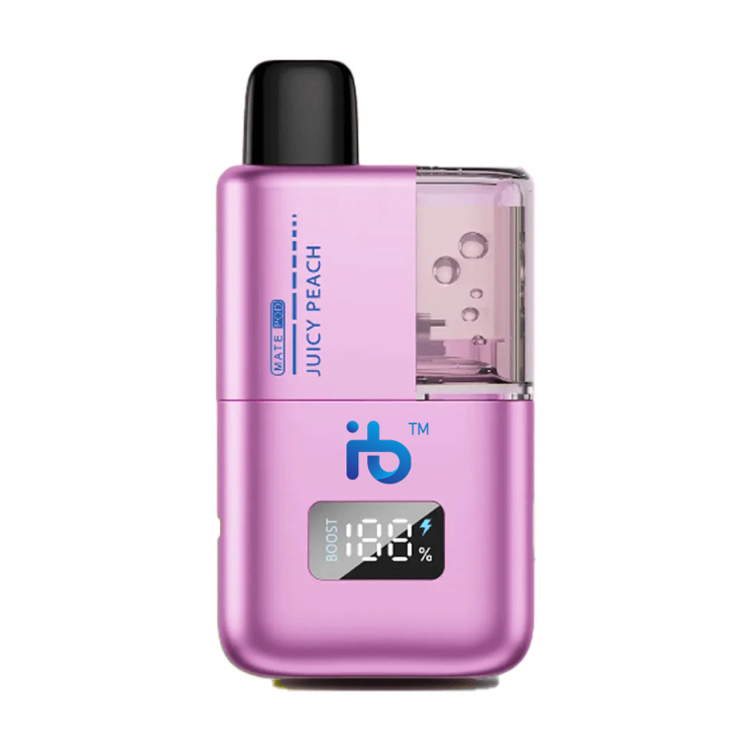
E-cigarettes, or electronic cigarettes, function differently from traditional cigarettes. Rather than burning tobacco, they use a liquid known as e-liquid or vape juice. This liquid typically contains nicotine, flavorings, and a base of either propylene glycol or vegetable glycerin, or both. The absence of combustion in e-cigarettes is the primary reason they are often marketed as a safer alternative to traditional smoking.
Combustion is key to understanding the absence of tar in e-cigarettes. Since tar is a result of burning, and e-cigarettes operate through a process of vaporization, no actual burning occurs when using these devices. Therefore, under typical usage, e-cigarettes do not produce tar.
Understanding the Health Implications
While the absence of tar is a significant plus point for e-cigarettes, it’s essential to address other health concerns associated with vaping. Despite being marketed as a healthier alternative, e-cigarettes are not devoid of risks. Nicotine, a common component in e-liquids, is addictive and can have negative effects on the developing brains of teenagers and young adults. Moreover, the long-term health effects of vaping are still under investigation, and researchers continue to study the impact of other potentially harmful chemicals formed during the vaping process.
According to the Centers for Disease Control and Prevention (CDC), additional research is needed to fully understand the health effects of e-cigarettes, particularly due to the vast diversity of devices and e-liquids available on the market.
The Role of Secondhand Vaping
Another concern related to e-cigarette use is the potential risks of secondhand vaping exposure. Although e-cigarettes do not produce the same tar-filled smoke as traditional cigarettes, the aerosol emitted does contain particles that could be harmful to health. This is an important consideration for those who might find themselves frequently exposed to the vapor of e-cigarette users, such as household members or colleagues in close proximity.
How E-Cigarettes Are Regulated
E-cigarettes are regulated differently across the globe, which can affect their safety profile. For example, in the United States, the Food and Drug Administration (FDA) oversees the safety of e-cigarettes and mandates manufacturers to undergo evaluation processes for their products. Similarly, the European Union has implemented stringent measures concerning the ingredients used in e-liquids and the marketing strategies employed by companies.
- It’s essential for users to remain informed about changes in regulation and to only purchase products from reputable sources.
- Using devices correctly and keeping abreast of scientific findings can help mitigate potential risks associated with vaping.

E-cigarettes are often promoted as a harm reduction tool for smokers, helping individuals transition away from traditional tobacco products. While they do present certain advantages, it’s critical to weigh these against unknowns yet to be resolved by future research.

FAQs
Q: Do e-cigarettes actually help smokers quit?
A: While some studies suggest e-cigarettes can aid smoking cessation, results are mixed, and using them under guidance from healthcare professionals is advisable.
Q: Might e-cigarettes lead to tar buildup over time?
A: No, since e-cigarettes don’t burn tobacco, the typical chemical composition of tar doesn’t develop from their use.
Q: Is the flavoring in e-liquids safe?
A: Many flavorings are generally recognized as safe for ingestion, but heating them for inhalation could produce different chemicals. Further research is needed to understand these effects.