Core Components of Electronic Cigarettes
Electronic cigarettes typically consist of three main components: the battery, the atomizer, and the cartridge. The battery powers the device and typically is rechargeable, providing energy needed to heat the atomizer. The atomizer is responsible for heating up the liquid (also known as e-liquid or vape juice) contained within the cartridge. Upon heating, the liquid turns into vapor, which is inhaled by the user.
E-Liquid Ingredients
The e-liquid used in electronic cigarettes usually comprises a blend of ingredients including propylene glycol, vegetable glycerin, flavorings, and nicotine (though not all e-liquids contain nicotine). Propylene glycol and vegetable glycerin act as the base for most e-liquids. These compounds facilitate vapor production and contribute to the throat hit sensation experienced during inhalation. Flavorings are diverse and can range from fruit to dessert flavors, often attracting users looking for varied tastes.
Effects and Considerations
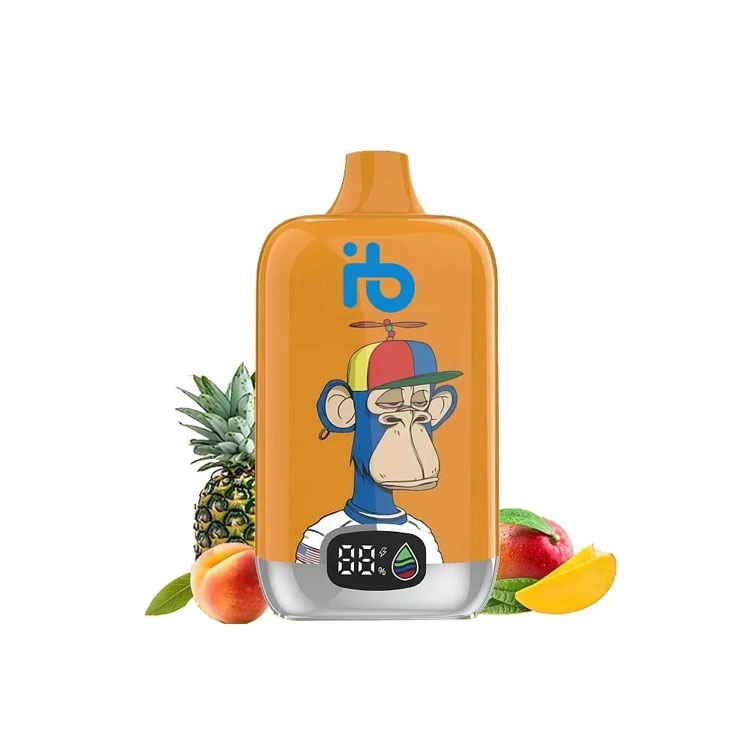
While many users perceive electronic cigarettes as a less harmful alternative to smoking, understanding their effects is pivotal. One of the main effects of electronic cigarettes is nicotine delivery, which satisfies cravings similar to traditional tobacco. However, the extent of nicotine content can vary depending on the e-liquid used. It’s also important to note that the long-term health impacts of inhaling vaporized substances are still under study, and health experts advise caution.
Some users report coughing or mouth irritation, potentially caused by propylene glycol, which is renowned for absorbing moisture. Additionally, the various flavorings included in e-liquids might also elicit allergic reactions or irritations in sensitive individuals.
Benefits Over Traditional Cigarettes
The potential benefits of switching to electronic cigarettes from traditional smoking include reducing exposure to tar and other harmful chemicals typically found in cigarette smoke. Furthermore, electronic cigarettes often don’t produce the offensive odor associated with tobacco smoke, allowing users to enjoy vaping in environments where smoking might not be permitted.
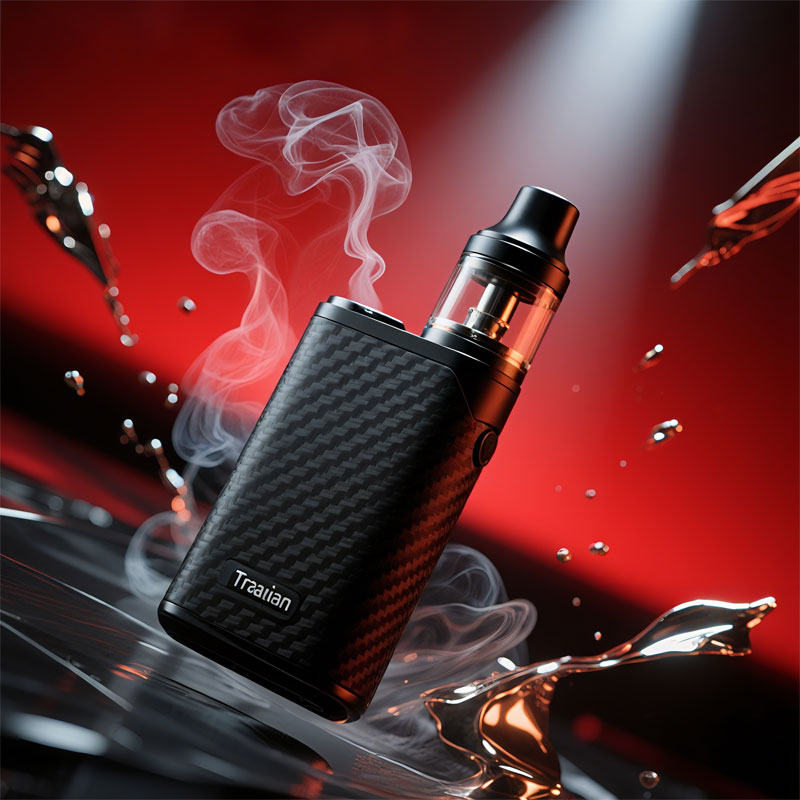
E-cigarettes also offer customization options, allowing users to select different flavors and nicotine strengths based on personal preferences. This flexibility can be an appealing factor for individuals looking to tailor their smoking experience.
FAQs About Electronic Cigarettes
Q: Is nicotine-free e-liquid safe?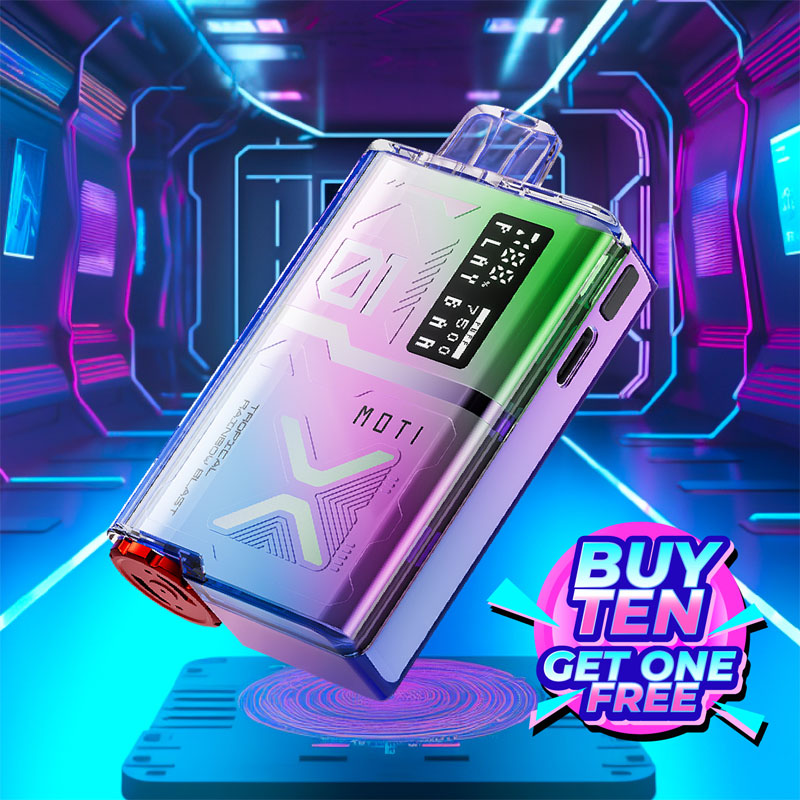 A: While nicotine-free e-liquids eliminate the addictive chemical found in tobacco, users should still be mindful of other e-liquid components, such as propylene glycol and flavorings, and their possible effects.
Q: Can electronic cigarettes aid in quitting smoking? A: Many users turn to electronic cigarettes as a stepping-stone to reduce smoking dependency. Although some find success, it’s advisable to consult health professionals for personalized guidance when seeking to quit smoking.
Q: Are there regulations on e-liquid ingredients? A: Yes, there are regulations and standards regarding the manufacturing of e-liquids, especially in regions with stringent quality control laws. These regulations aim to ensure consumer safety and product reliability.