New findings from a recent peer-reviewed investigation reveal a complex chemical profile in modern vaping liquids and aerosols
A comprehensive summary of emerging research suggests that the chemical composition of vape emissions is more complex than originally thought, with implications for public health messaging and regulatory frameworks. This piece synthesizes available evidence, explains key substances detected, describes plausible biological mechanisms of harm, and offers consumer-focused guidance. Throughout, we emphasize e-cigarette news trends and the scientific conversation about chemicals found in e cigarettes to help readers, clinicians, and policy makers stay informed.
Why this research matters for clinicians and the public
In the past decade e-cigarette technology has evolved rapidly, from simple “cigalike” devices to modifiable systems with varied power settings, coil materials, and thousands of flavors. Those changes affect emissions chemistry. The latest studies, using sensitive analytical tools such as gas chromatography–mass spectrometry (GC-MS), liquid chromatography–mass spectrometry (LC-MS), inductively coupled plasma mass spectrometry (ICP-MS), and real-time particle counters, are documenting a range of organic and inorganic compounds in both the e-liquids and the aerosols inhaled by users. These findings have been featured in recent e-cigarette news coverage and scientific summaries because they refine our understanding of what “vaping” users are actually inhaling.
Key chemical classes detected in vapor and liquid
- Nicotine and analogues — beyond the addictive parent compound, cotinine and other metabolites and impurities may be present depending on liquid sources and synthesis methods.
- Carbonyls — including formaldehyde, acetaldehyde, and acrolein, which can form through thermal decomposition of solvents like propylene glycol (PG) and vegetable glycerin (VG) at high device settings.
- Volatile organic compounds (VOCs) — such as benzene, toluene, and xylene in trace amounts in some samples, potentially from flavoring agents or device components.
- Flavoring chemicals — diacetyl, acetyl propionyl, vanillin, cinnamaldehyde, and related aldehydes and ketones used for taste, some associated with airway irritation and bronchiolitis obliterans in occupational settings.
- Metals and metalloids — lead, nickel, chromium, copper, tin, and others released from heating elements, solder joints, or contact with e-liquid; nanoparticles and ultrafine particulates have also been identified.
- Siloxanes and glycols — residues from manufacturing and stabilizers within formulations.
- Polycyclic aromatic hydrocarbons (PAHs)
 — detected in small concentrations in some high-power device emissions, likely from incomplete thermal decomposition.
 - Reactive oxygen species (ROS) precursors — compounds that contribute to oxidative stress once inhaled.
Because the phrase chemicals found in e cigarettes captures this diversity, it has become a focal point in media summaries and regulatory risk assessments. The presence of such compounds varies by device type, liquid composition, coil temperature, and user behavior (puff duration, voltage settings), which complicates simple generalizations.
Mechanisms of harm: how inhaled compounds may affect health
The lung is a highly vascularized organ with large surface area and thin alveolar-capillary barriers, making it susceptible to inhaled toxins. Several biological pathways link the chemicals identified in vaping emissions to health outcomes:
- Oxidative stress and inflammation: Carbonyls and particulate matter can generate reactive oxygen species that damage cellular components and trigger inflammatory signaling cascades in bronchial and alveolar cells.
- Airway epithelial disruption: Flavoring aldehydes and solvents can impair mucociliary clearance, disrupt tight junctions, and promote susceptibility to infection.
- Cardiovascular effects: Nicotine and some VOCs influence heart rate, blood pressure, endothelial function, and coagulation pathways, which may increase short-term cardiovascular risk.
- Immune modulation: Certain metals and organic compounds appear to skew innate immune responses, potentially reducing pathogen clearance or exacerbating allergic-type inflammation.
- Carcinogenic potential: Long-term exposure to formaldehyde, acetaldehyde, PAHs, and some nitrosamines is associated with carcinogenesis in other inhalational contexts; risk assessment for vaping remains evolving due to varying exposure levels.

These mechanisms are supported by in vitro cell culture studies, animal models, and short-term clinical observations in humans; however, long-term epidemiological data are still scarce given the relative novelty of widespread e-cigarette use.
What recent studies specifically reported
Several recent papers that have made headlines in e-cigarette news analyzed both commercially available e-liquids and aerosol condensates. Key consistent observations across multiple laboratories include: elevated carbonyl concentrations at high coil temperatures, detectable levels of certain metals in aerosol samples but not always directly correlated with the liquid, and the presence of flavoring aldehydes that can modify cellular responses. One notable multicenter study used standardized puffing regimes and reported that some commonly used flavor blends increased markers of oxidative stress in cell assays, while another surveillance project identified trace quantities of benzene and formaldehyde in the emissions of a subset of devices tested under stress conditions. These reports emphasize variability and the need for standardized testing protocols to generate comparable data.
Why device design and user behavior change exposure
Key determinants of what chemicals are produced in vaping emissions include:
- Power/temperature — higher wattage and temperatures can produce greater thermal decomposition of PG/VG, increasing carbonyl formation.
- Coil material — Kanthal, nichrome, stainless steel, and titanium can release different metal profiles depending on corrosion and oxidation.
- Wicking and coil condition — dry puffs or poorly saturated wicks lead to overheating and distinct chemical yields.
- Flavorants and additives — complex mixtures react under heat to create secondary compounds not present in raw liquids.
- Product age and storage — degradation products can form during shelf life, altering toxicological properties.
These sources of variability challenge simple public health messaging but underscore the importance of independent laboratory testing that reflects realistic use patterns.
Population risks and vulnerable groups
Public health experts highlight that while e-cigarettes may deliver fewer combustion-related toxicants than traditional cigarettes, they are not harmless. Vulnerable groups include adolescents (whose developing brains are sensitive to nicotine), pregnant people (with potential fetal development effects), individuals with pre-existing respiratory or cardiovascular disease, and dual users who continue to smoke combustible cigarettes. The persistence of e-cigarette news stories focusing on chemicals is partly due to concern for these susceptible populations and the long-term unknowns.
Regulatory and research implications
Given evidence of chemicals found in e cigarettes that are known respiratory irritants, carcinogens, or cardiovascular toxins in other contexts, several policy-relevant pathways are under discussion:
- Setting manufacturing standards for purity of nicotine and limits on contaminants.
- Restricting or banning specific flavoring agents with high inhalation toxicity potential (e.g., diacetyl).
- Mandating device testing for emissions at standardized power settings to quantify carbonyls, metals, VOCs, and particulates.
- Requiring clear labeling of ingredients, flavoring lists, and production lot testing.
- Funding longitudinal studies that track health outcomes among diverse user groups to establish causality and dose-response relationships.
Public health agencies and independent laboratories are increasingly testing commercial products and publishing results, which fuels both regulatory action and ongoing e-cigarette news coverage.
Practical guidance for clinicians and consumers
Clinicians advising patients should weigh current evidence: e-cigarettes may be a harm-reduction tool for adults who completely switch from combustible tobacco, but they are not risk-free. Clinicians should ask about device type, frequency of use, flavor preferences, and dual use habits. For consumers considering vaping as a route to quitting cigarettes, evidence-based cessation tools (nicotine replacement therapy, behavioral support) remain first-line; if e-cigarettes are used, patients should be counseled on minimizing risk by avoiding high-power settings, keeping devices clean, using reputable products with transparent ingredient lists, and avoiding do-it-yourself liquid mixing from unverified suppliers.
For young people, pregnant individuals, and non-smokers, the recommendation is clear: avoid nicotine-containing products. Messaging that accurately conveys nuanced risk without minimizing harm is essential, and the emphasis on chemicals found in e cigarettes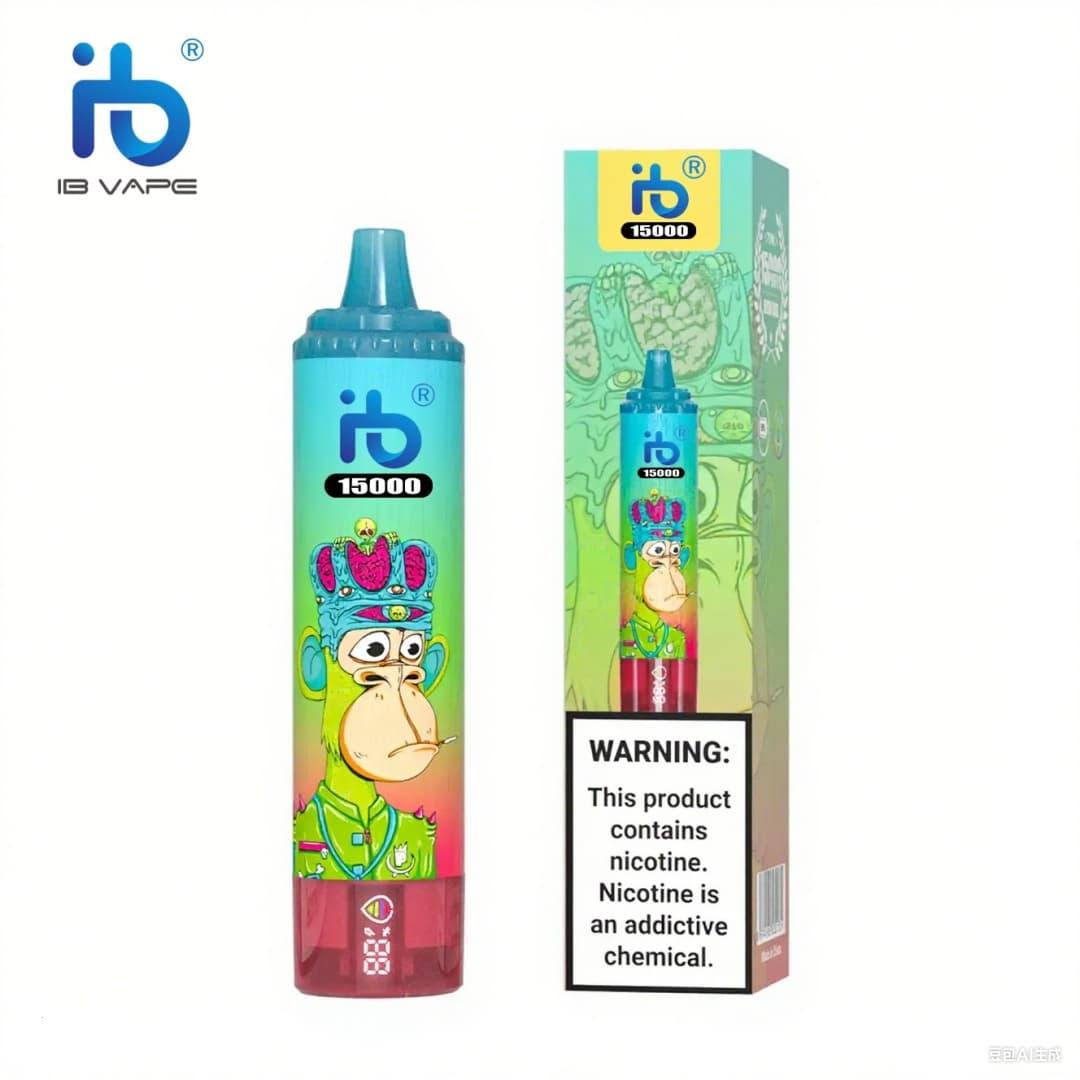 helps communicate that vaping introduces inhalational exposures beyond “harmless water vapor.”
Testing standards and methodological notes
Accurate measurement of vaping emissions requires standardized sampling and realistic puff topography. Studies that vary widely in methods make cross-study comparisons difficult. Consensus efforts are underway to standardize puffing machines, power settings, and analytical endpoints. In addition, detecting trace contaminants requires sensitive instrumentation and careful chain-of-custody procedures to avoid lab contamination. The variability in reported concentrations across studies highlights the role of methods and the need for reproducibility in reporting e-cigarette news.
What consumers often misunderstand
There are several recurring misconceptions among users and the public:
- That “nicotine-free” means “chemical-free” — many flavoring chemicals and solvents remain.
- That lower visible aerosol equals safety — chemical concentration and particle size, not merely visible cloud density, determine exposure.
- That homemade or illicit products are safer — unregulated supply chains increase the risk of contaminated or mislabeled liquids.
Accurate risk communication uses clear language about what is known, what is probable, and what remains uncertain; the conversation about chemicals found in e cigarettes exemplifies this need.
Emerging research directions
Priority areas for future work include longitudinal studies of chronic respiratory and cardiovascular outcomes, reproductive and developmental effects, dose-response modeling that accounts for real-world device use, and mechanistic studies that can link specific chemicals or mixtures to cellular pathologies. Innovations in aerosol capture and high-resolution chemical speciation will further refine exposure assessment. Cross-disciplinary collaboration among chemists, toxicologists, clinicians, epidemiologists, and regulatory scientists will be essential to translate chemical detection into meaningful health guidance.
How journalists and communicators should approach this topic
Responsible reporting in e-cigarette news should avoid sensationalizing isolated findings while still conveying potential harms. Effective coverage contextualizes concentrations relative to known toxicological thresholds when available, acknowledges variability across devices and liquids, and highlights populations at greatest risk. Clear headings, concise summaries, and links to primary research can improve public understanding.
Bottom line summary
Multiple independent laboratories have confirmed that modern vaping products can emit a mix of known toxicants, including carbonyls, VOCs, metal particulates, and flavoring aldehydes. The phrase chemicals found in e cigarettes appropriately captures the complexity of exposures users may face. While e-cigarettes may reduce exposure to certain combustion-derived toxins relative to smoking, they introduce other inhalation risks that merit caution, particularly among youth and non-smokers. Clinicians should discuss relative risk and cessation options with patients, and regulators should push for manufacturing and labeling standards informed by robust chemical and toxicological data.
Actionable tips for concerned users
- Choose reputable manufacturers with transparent ingredient lists.
- Avoid high-power or modified devices unless you understand thermal chemistry implications.
- Do not use black-market or homemade e-liquids.
- Seek proven cessation support if your goal is to quit nicotine entirely.
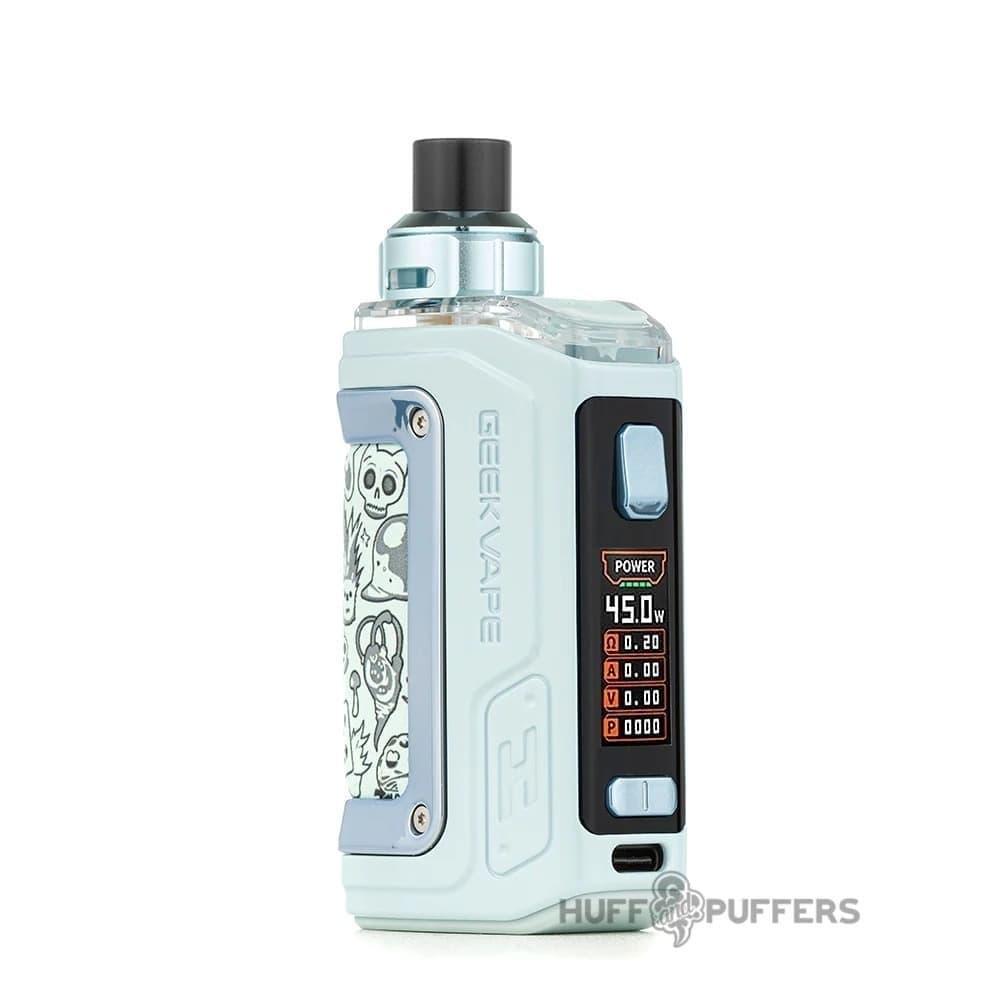 e-cigarette news as new study confirms chemicals found in e cigarettes and outlines potential health risks” />
The ongoing flow of e-cigarette news reflects active scientific inquiry into the range of chemicals found in e cigarettes and underscores the need for continued surveillance, standardized testing, and clear public guidance.
FAQ
- Are e-cigarettes completely safe because they lack tobacco smoke?
- No. Although they typically produce fewer combustion products than cigarettes, e-cigarettes generate a variety of chemicals through heating solvents and flavorants; some of these have known toxic or irritating properties.
- Which specific chemicals are of greatest concern?
- Formalaldehyde, acetaldehyde, acrolein, diacetyl (and related diketones), certain VOCs, and metals like nickel and lead are among the substances detected that raise health concerns based on existing toxicology.
- Can device settings change exposure?
- Yes. Higher wattage/temperature, coil composition, and user puffing patterns significantly influence the formation of harmful constituents.
- What should a smoker considering switching to vaping know?
- Switching may reduce exposure to some combustion-related toxins but is not risk-free; discuss evidence-based cessation options with a healthcare provider and consider device choice, product quality, and complete cessation as goals.