The growing popularity of e-cigarettes among youths is a trend that has sparked much debate and concern. As the discussion around youth e-cigarette use progresses, it is vital to understand the underlying factors contributing to this phenomenon and its potential impact on society.
Why Are E-Cigarettes Appealing to Youth?
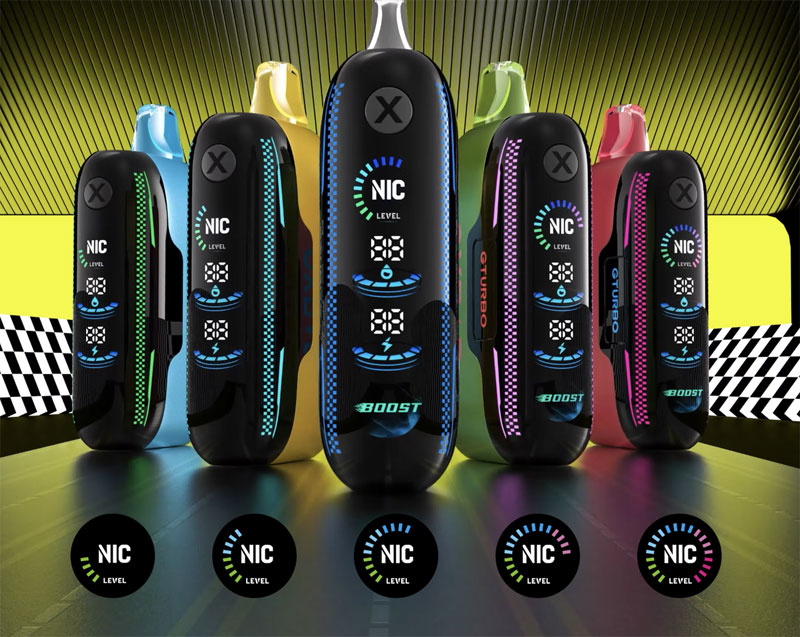
The allure of e-cigarettes for teenagers can be attributed to a combination of factors. First, the array of flavors available, ranging from fruity to dessert flavors, attracts a younger audience. These flavors mask the harshness of nicotine and make vaping more palatable for those not accustomed to smoking.
Advertising and Perception
Marketing strategies play a significant role in shaping the perception of e-cigarettes. Often advertised as a safer alternative to smoking, e-cigarettes are sometimes perceived by young individuals as a harmless initiation into nicotine consumption. This misperception is compounded by social media influencers and peers who glamorize vaping, contributing significantly to an increase in youth e-cigarette use.
Health Implications of Youth E-Cigarette Use

While marketed as safer, the health effects of e-cigarettes, particularly among younger users, are not fully understood. Studies suggest that nicotine exposure during adolescence can affect brain development. There is also a concern about the potential for vaping to act as a gateway to traditional smoking.
Regulations and Control
Addressing youth e-cigarette use involves strict regulations and control measures. Governments and health organizations have been enacting policies to restrict sales and marketing aimed at young audiences. This includes implementing stricter age verification processes and restricting the use of appealing flavors.
Parental and Educational Roles
Parents and educators play a crucial role in mitigating the rise of e-cigarette use among youths. Open conversations about the dangers and health risks associated with vaping can help demystify its appeal. Providing factual information and fostering a supportive environment for discussions can prevent youth from succumbing to peer pressure.
Future Challenges
As technology evolves, so do the methods and devices used for vaping. Staying ahead of these changes and ensuring that regulations adapt accordingly is an ongoing challenge for policymakers. Additionally, more comprehensive research is needed to fully understand the long-term impacts of vaping on youth.
Frequently Asked Questions
How prevalent is e-cigarette use among teens?
Recent surveys indicate that a significant percentage of high school students have tried e-cigarettes, with a notable portion continuing regular use. This trend underscores the importance of implementing effective interventions.
Are e-cigarettes safer than traditional cigarettes?
While they are often marketed as such, the safety of e-cigarettes remains under scrutiny. Some studies suggest fewer carcinogens are present in e-cigarette vapor, but the potential for harmful effects persists, particularly with chronic use.
What can be done to reduce youth e-cigarette use?
Strategies include educating youth about the risks, enforcing stricter regulations on sales and marketing, and promoting cessation programs targeted toward young users.