Navigating airport security can be a complex affair, especially when traveling with items subject to scrutiny like e cigarettes. Understanding TSA regulations regarding e cigarettes is crucial for a smooth passage through security checks. In this guide, we’ll explore how to navigate these regulations effectively and ensure your travel experience remains stress-free.
TSA Guidelines for E Cigarettes
The TSA, or Transportation Security Administration, has specific guidelines pertaining to e cigarettes. These devices are permitted in carry-on bags but prohibited in checked luggage due to their lithium batteries, which pose a fire risk. It’s paramount to distinguish between your carry-on and checked baggage to avoid potential delays or confiscation.
E cigarettes, including all charging devices, must adhere to TSA rules when flying. Make sure all components are securely packed in your carry-on. Keeping them charged is essential; however, don’t charge them during the flight to prevent unwarranted incidents.
Understanding Security Screening Processes
Security screenings involve a detailed check of carry-on items. As e cigarettes are electronic devices, they may be subject to additional inspections. Be prepared by having your e cigarette and related items (such as spare batteries and e-liquid) readily accessible for examination. This will expedite the screening process and reduce stress.
It’s crucial to understand that while carrying e cigarettes in your carry-on is permissible, using them inside airport buildings or airplanes is strictly prohibited. Violations can result in fines and penalties.
The Importance of Proper Packaging
Proper packaging of e cigarettes and accessories is vital. Use protective cases to prevent physical damage or accidental activation. Keep spare batteries in individual protective sleeves to avoid contact with metal objects, which can short-circuit and lead to fire hazards.
- The TSA allows only a limited quantity of e-liquids and batteries. Verify the airline’s policy as restrictions may vary by carrier.
- Ensure that all liquid containers are under 3.4 ounces (100 milliliters) and properly stored in a clear, quart-sized plastic bag.

International Travel Considerations
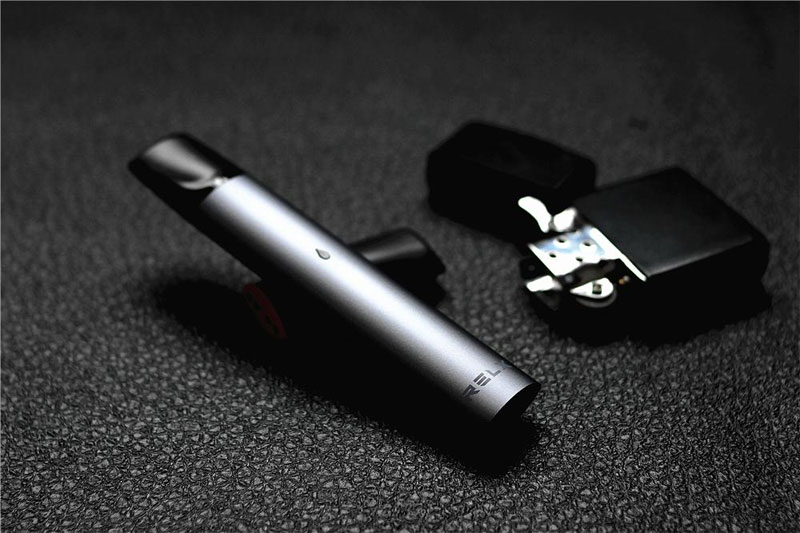
International travelers face additional challenges regarding e cigarettes. Regulations vary widely across countries, making it essential to research the destination’s laws before embarking on your journey. Some countries may classify e cigarettes as tobacco products, entrenching them in stricter control protocols.
Carrying necessary documentation, such as product specifications or licenses, may suffice in clarifying these items at customs. For countries where e cigarettes are banned, consider leaving your device behind to avoid legal repercussions.
TSA Updates and Future Considerations
The TSA frequently updates its guidelines based on emerging security threats. Stay informed by checking the latest updates before traveling. Utilizing official TSA apps or websites is advisable to access real-time information.
FAQ About E Cigarettes and TSA Policies
- Can I vape in the airport?
- Vaping is prohibited in most indoor facilities, including airports. It’s best to check specific airport policies.
- Are there any quantity limits for e-liquids?
- Yes, e-liquids must be stored in containers no larger than 3.4 ounces for carry-ons. Check airline specifics as allowance may differ.
- What should I do if my e cigarette is confiscated?
- If your device is confiscated, inquire with TSA officials about possible retrieval or resolution. Compliance is typically maintained to avoid penalties.

As travel regulations evolve, staying abreast of TSA guidelines is essential for those who rely on e cigarettes. By doing so, your travel remains unhindered, allowing you to manage your journey effectively and responsibly.