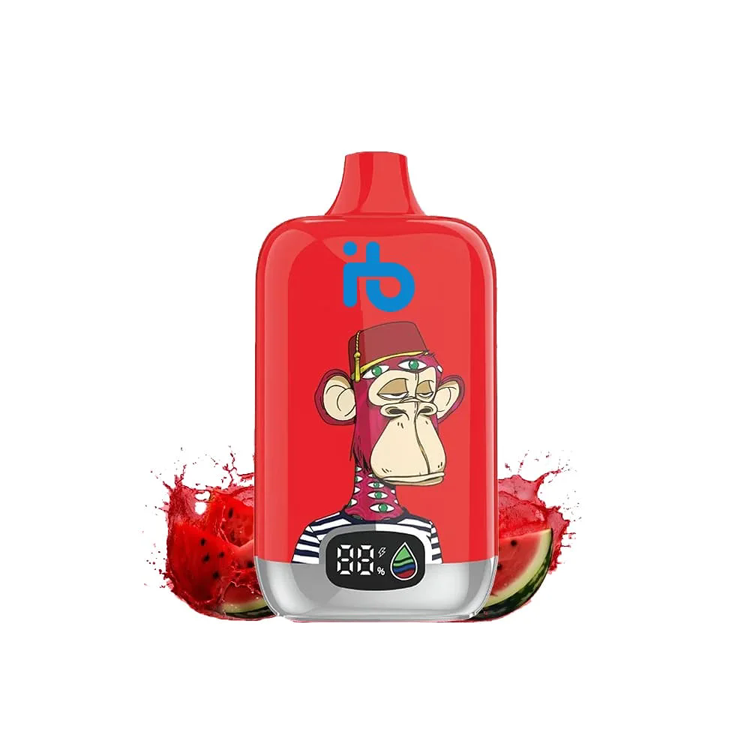
E-cigarettes have gained popularity in recent years as an alternative to traditional smoking. Understanding what these electronic nicotine delivery systems (ENDS) contain can provide insight into their potential health impacts and their appeal to users. At the heart of an e-cigarette is the device itself, which generally includes a battery, a heating element, and a reservoir containing e-liquid. The e-liquid is vaporized by the heating element, producing an aerosol that users inhale. But what exactly is in this e-liquid? The primary component of e-liquids is usually propylene glycol or vegetable glycerin, which act as a base. These substances are recognized as safe by the U.S. Food and Drug Administration for use in various food and pharmaceutical products. However, when heated and inhaled, their long-term effects are still being studied.
is another major component found in most e-liquids. It is a highly addictive substance derived from tobacco and is responsible for the craving experienced by users. Some e-cigarettes can be nicotine-free, but the majority do contain varying concentrations of nicotine, allowing users to control their intake. In addition to nicotine, e-liquids often contain flavorings to enhance the user experience. These flavors range widely, from traditional tobacco to fruit, desserts, and even beverages. While flavorings add appeal, concerns have been raised about their safety when inhaled, especially as some may contain volatile organic compounds (VOCs) or other harmful substances. 
Metal particles and silica from the device components can potentially be present in the vapor. These come from the heating coil and wick materials, suggesting that the device quality and construction can influence the aerosol content. Several devices have been noted to release metals like tin, nickel, and lead into the aerosol, which are known to pose health risks over time. There’s also an emerging concern regarding the formation of acetals – compounds that can result from the reaction of flavoring agents with propylene glycol or glycerin during heating. These compounds might contribute to the respiratory irritation reported by some users. The complexities of e-cigarette contents highlight the importance of ongoing research into their long-term health impacts. As technology evolves and vaping becomes more prevalent, understanding the detailed composition of e-liquids and aerosols will become increasingly critical.
Exploring the Facts: Frequently Asked Questions
- Are e-cigarettes safer than traditional cigarettes?
- E-cigarettes are generally considered to contain fewer toxic substances than traditional cigarettes, but they still pose health risks, particularly due to nicotine and potential harmful compounds formed during vaporization.
- Can e-liquids be non-nicotine?
- Yes, many e-liquids come in non-nicotine forms, catering to users who prefer to avoid nicotine while still enjoying the flavor and experience of vaping.
- Do e-cigarette flavors affect health?
- While flavors can enhance user experience, some flavoring components may pose health risks when inhaled, particularly if they contain VOCs or contribute to the formation of harmful chemicals.