Electronic cigarettes, popularly known as e-cigarettes, have become increasingly prevalent in recent years as an alternative to traditional tobacco smoking.
These devices are designed to deliver nicotine, the addictive component of cigarettes, without the harmful tar and combustion products found in conventional cigarette smoke.
The Basics of E-Cigarettes
E-cigarettes are battery-operated devices that heat a liquid, often called e-liquid or vape juice, into an aerosol that users inhale.
This liquid usually contains nicotine, flavorings, and a base such as propylene glycol or vegetable glycerin.
Components of E-Cigarettes
- Battery: Powers the device and heats the liquid.
- Atomizer: Contains the coil that vaporizes the e-liquid.
- Cartridge or Tank: Holds the e-liquid.
- Mouthpiece: Allows the user to inhale the vapor.
The atomizer is a crucial component as it is where the liquid is transformed into vapor.
How E-Cigarettes Work
The operation of an e-cigarette is relatively straightforward. When activated, the battery supplies power to the atomizer, which heats the e-liquid and produces vapor.
The user then inhales this vapor, delivering nicotine and other substances into their body, simulating the act of smoking.
Popularity and Use
E-cigarettes have grown in popularity, especially among younger demographics, due in part to their perceived reduced health risks compared to traditional smoking and their availability in various flavors.
These devices have been marketed as both recreational devices and smoking cessation tools.
Health Implications
While e-cigarettes are often promoted as safer alternatives to conventional smoking, substantial research is still ongoing to fully understand their health impacts.
Common concerns include potential nicotine addiction, respiratory issues, and the unknown long-term effects of inhaling vaporized substances.
Benefits and Risks
- Benefits: May reduce exposure to harmful chemicals found in cigarette smoke, assist in quitting smoking.
- Risks: Potential for addiction, unknown long-term health effects.
The Regulatory Landscape
The regulatory environment for e-cigarettes varies significantly across different regions and countries. Authorities strive to balance consumer access with public health concerns.
Regulations might include age restrictions, advertising limitations, and requirements regarding the composition of e-liquids.

Consumer Awareness
As the popularity of e-cigarettes rises, it is essential for consumers to stay informed about product components, usage, and potential health implications.
Awareness campaigns and educational programs can play a pivotal role in ensuring users understand both the benefits and risks associated with e-cigarette use.
Frequently Asked Questions
Q: Are e-cigarettes safer than traditional cigarettes?
A: E-cigarettes may expose users to fewer toxic chemicals, but the long-term health risks are still under study.
Q: Can e-cigarettes help in smoking cessation?
A: Some users have successfully quit smoking using e-cigarettes, although success may vary.
Q: What are the legal age requirements for purchasing e-cigarettes?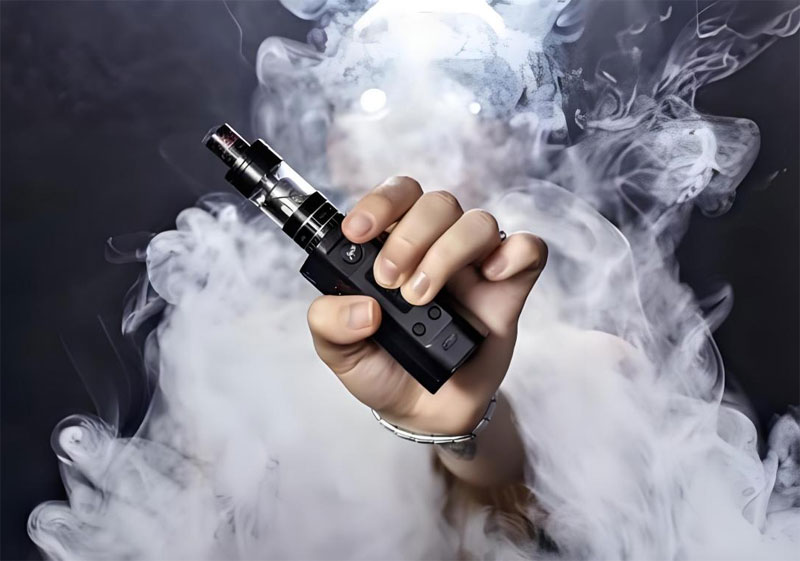
A: Age requirements vary by region, with many areas implementing an age restriction similar to that for traditional tobacco products.