Understanding E-cigarettes: Functionality and Components
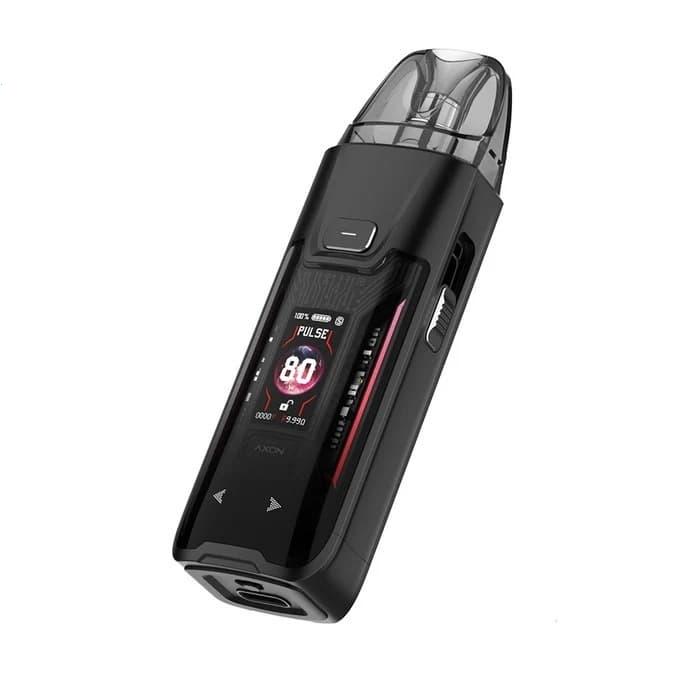

E-cigarettes, also known as electronic cigarettes or vapes, function by heating a liquid (commonly called e-liquid or vape juice) to produce an aerosol that users inhale. Unlike traditional cigarettes, which combust tobacco to release nicotine, e-cigarettes use a battery-powered mechanism and contain no tobacco leaf. Their core components typically include a battery, an atomizer or coil, a cartridge or tank to hold the e-liquid, and a mouthpiece.
Key Ingredients in E-cigarette Liquids
Most e-cigarettes utilize e-liquids composed of nicotine, propylene glycol or vegetable glycerin, flavorings, and sometimes water. Propylene glycol contributes to a throat sensation similar to smoking, whereas vegetable glycerin provides thicker vapor clouds. The concentration of nicotine varies widely, empowering users to choose strengths that fit their preferences. Flavor profiles range from classic tobacco or menthol to exotic fruits, desserts, and even beverage-inspired blends.
Health Insights: What Do We Know About E-cigarettes?
The surge in e-cigarette use has prompted considerable debate in public health circles. On one hand, numerous studies suggest that e-cigarettes may expose users to fewer toxicants than combusted tobacco, potentially reducing harm for adult smokers who switch completely. On the other, concerns remain regarding the long-term health implications of inhaling aerosolized chemicals, especially flavoring agents and trace additives.
E-cigarettes versus Traditional Smoking: While health authorities agree that e-cigarettes are less dangerous than smoking, they are not entirely risk-free. According to assessments from the CDC and WHO, switching fully to e-cigarettes can lower exposure to harmful chemicals like tar and carbon monoxide. However, non-smokers and especially minors are advised against starting any nicotine products due to their addictive properties and potential effects on brain development.
Latest Innovations in E-cigarette Technology
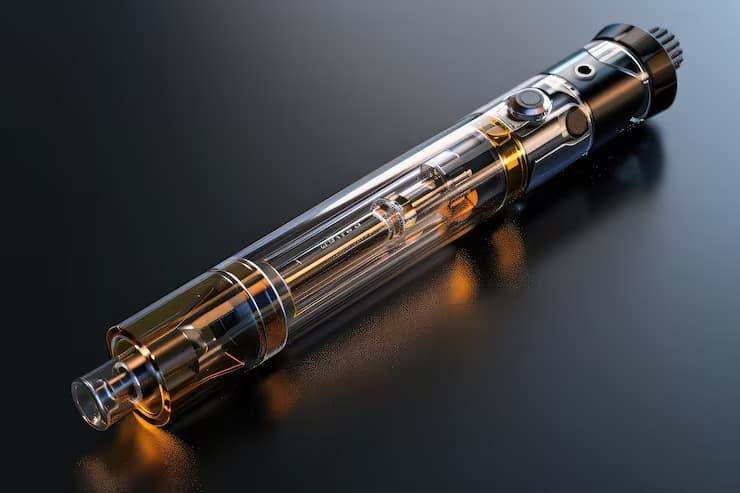
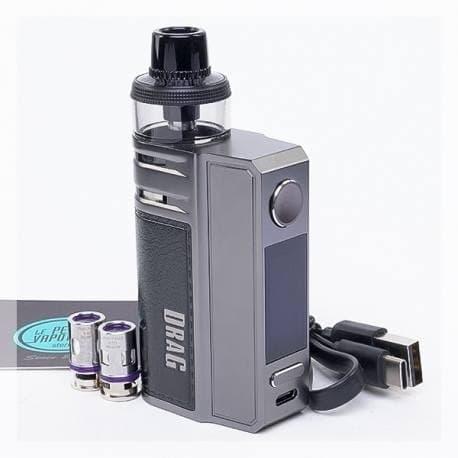
The past five years have seen dramatic advances in e-cigarette engineering and design. Pod-based systems, which utilize disposable or replaceable e-liquid pods, offer greater convenience and consistency in nicotine delivery. Adjustable wattage and temperature control functions allow users to customize vapor density and flavor experience. Manufacturers now focus on leak-proof designs, longer battery life, optimized coil materials, and safety features such as child-proofing and short-circuit protection.
- Smart E-cigarettes: With Bluetooth connectivity, users can track usage habits and receive safety alerts via smartphone apps.
- Synthetic Nicotine: A growing segment includes e-liquids made with synthetic nicotine not derived from tobacco, potentially bypassing some regulatory barriers.
- Nicotine Salts: Innovations in nicotine formulations, such as nicotine salts, offer smoother throat hits and faster absorption, closely mimicking the sensation of traditional cigarettes.
Regulatory Perspectives and Market Trends
As the e-cigarette landscape expands, governments worldwide have responded with regulatory frameworks covering age-restrictions, advertising codes, product standards, and packaging requirements. The U.S. Food and Drug Administration (FDA) now reviews pre-market tobacco product applications for e-cigarette brands, ensuring safety and compliance. European and Asian markets similarly enforce strict labeling, flavor bans, and taxation policies to address youth vaping and public health concerns. These regulations shape availability, variety, and innovation within the e-cigarette industry.
Social and Psychological Impacts
The adoption of e-cigarettes has redefined social norms related to nicotine use. Many users report feeling more in control of their intake due to adjustable nicotine levels and diverse flavors, contributing to successful smoking cessation for some. However, studies also show that appealing flavors and sleek marketing campaigns may encourage uptake among young adults and non-smokers, sparking widespread debate around their role in public health.
E-cigarettes and Youth: Addressing Concerns
Youth vaping remains a key public health focus. While e-cigarettes were initially marketed as tools for adult smoking cessation, rising rates of teenage use have led to calls for limiting access and aggressively policing sales channels. Parental awareness, educational initiatives, and robust age-verification technologies are prioritized to curb underage use. Research continues to examine the impact of early nicotine exposure on cognitive development and addiction patterns.
Environmental Impact
Disposable e-cigarettes and vape pods contribute to electronic waste challenges. Their lithium-ion batteries, plastic casings, and remnants of e-liquid require special recycling methods to prevent soil and water pollution. As sustainability becomes a priority, manufacturers are exploring biodegradable materials and refillable designs to minimize environmental footprint, and regulators are setting guidelines for responsible disposal and recycling protocols.
Looking Ahead: The Future of E-cigarettes
With ongoing research and rapid innovation, the future of e-cigarettes promises new technologies aimed at maximizing user safety, enhancing convenience, and broadening cessation support. Artificial intelligence, biometric sensors, and refined e-liquid formulas are at the forefront of the next wave of development. Collaboration between scientists, medical professionals, regulators, and manufacturers is key to balancing harm-reduction objectives with youth prevention and sustainable growth.
Frequently Asked Questions About E-cigarettes
- Are e-cigarettes safe?
- E-cigarettes are considered less harmful than traditional cigarettes for current smokers but are not without risks. Long-term health effects are still being studied, and the products are not recommended for non-smokers or youth.
- Can e-cigarettes help me quit smoking?
- Some individuals successfully use e-cigarettes as a smoking cessation aid, but results vary. Healthcare professionals suggest combining e-cigarette use with behavioral support, and prescription therapies when appropriate.
- What is in e-cigarette vapor?
- E-cigarette vapor contains nicotine, propylene glycol, vegetable glycerin, flavorings, and trace substances. Levels of harmful byproducts are generally lower than cigarette smoke, but some compounds may still pose health risks.
For those considering e-cigarettes, it is essential to stay informed through reliable sources and consult healthcare experts for guidance tailored to personal needs and goals.