With the increasing popularity of vaping and e-cigarettes, one question often arises among users and non-users alike: will e-cigarettes set off smoke alarms? Understanding the impact of e-cigarettes on smoke alarms requires a basic comprehension of smoke alarm technology and the characteristics of e-cigarette vapor. Smoke alarms can be broadly categorized into two types: ionization and photoelectric. Ionization alarms are generally more responsive to fast flaming fires, while photoelectric alarms are better at detecting slow smoldering fires. Vaping involves the release of aerosol or vapor rather than smoke, which may interact differently with smoke alarms.
How Do Smoke Alarms Work?
Smoke alarms are designed to detect the presence of smoke particles in the air, a feature that is crucial for ensuring safety against fires. Ionization alarms use a small amount of radioactive material to ionize air, thus detecting smoke by change in electricity flow. Photoelectric alarms, on the other hand, use a light beam and sensor to identify smoke particles by gauging disruptions.
Vaping and Smoke Alarms: Interaction Explained
One crucial aspect of e-cigarettes is that they produce vapor rather than traditional smoke. This vapor is less dense and consists of fine particles compared to those in tobacco smoke. Consequently, ionization alarms, sensitive to small particles, might be triggered by e-cigarette vapor due to the similarities in size. While research is still ongoing, anecdotal reports have indicated that in certain enclosed spaces or in proximity to the sensor, vaping could potentially set off smoke alarms, especially ionization types.
Some smokers who switch to e-cigarettes wonder about the likelihood of false alarms in scenarios such as offices or airplanes.
In large or well-ventilated areas, the risk of vapor setting off alarms is minimal. For maximum safety, it is advised not to vape directly near smoke detectors.
Reducing the Risk of Triggering Smoke Alarms
- Avoid vaping in small, enclosed spaces, particularly near smoke detectors.
- Ensure good ventilation to disperse the vapor quickly.
- Be aware of the type of smoke alarm present in your vicinity.
Understanding these factors could minimize the chances of triggering smoke alarms inadvertently.

Additional Considerations

Various factors could influence whether vaping triggers a smoke alarm, including the type, proximity, and even the product used. Devices producing more substantial vapor clouds could increase the likelihood.
Frequently Asked Questions
Q: Can all smoke alarms detect e-cigarette vapor? Not necessarily. Ionization smoke alarms are generally more sensitive to the fine particles in e-cigarette vapor compared to photoelectric alarms.
Q: Is vaping indoors safe concerning smoke alarms? Vaping indoors can be safe with proper precautions such as good ventilation and keeping a distance from smoke detectors.
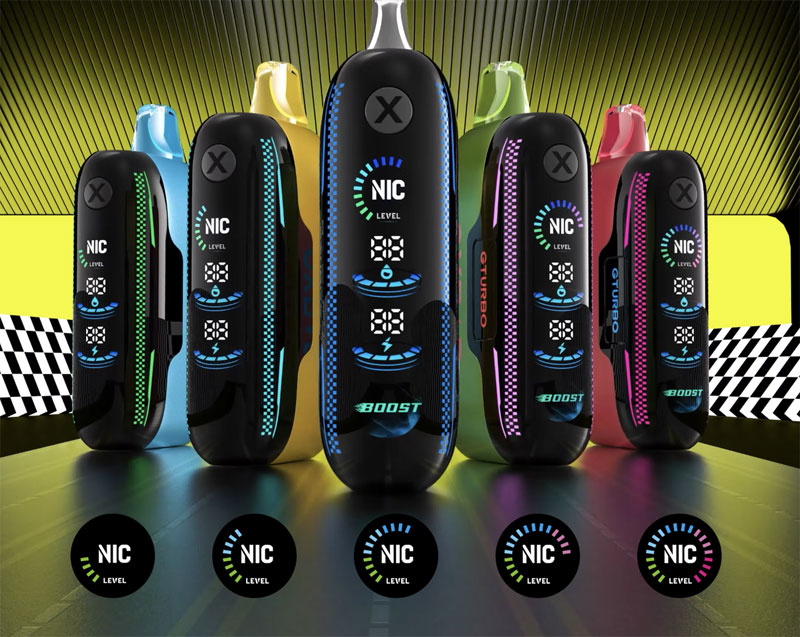
Q: How can I ensure my vaping doesn’t trigger an alarm? Be mindful of your surroundings and ensure that you vape in open areas away from smoke detectors. Consider the density of the vapor produced by your device.