Understanding the Components Inside an E-Cigarette
E-cigarettes have become increasingly popular over the years, especially among those looking for an alternative to traditional smoking. To fully grasp what is inside an e-cigarette, it’s essential to delve into its components and how they function together. This understanding not only enhances the experience for users but also provides clarity on the impact these devices could have on health and the environment.
At the heart of an e-cigarette is the battery, often lithium-ion, which powers the device. This component is crucial as it generates the energy needed to heat the atomizer, an element that is responsible for vaporizing the e-liquid. Batteries vary in capacity and type, influencing how long and how intensely one can use their device. Some models feature adjustable voltage settings, allowing users to customize their vaping experience.
The Atomizer and Coils
The atomizer is vital in converting liquid into vapor. This part includes a coil, typically made of materials like stainless steel, ceramic, or nickel. The coil heats the e-liquid through direct contact, turning it into the vapor that is inhaled. Variations in coil resistance can alter vapor production and flavor, making it an important consideration for those looking for a tailored vaping session. Understanding coil types can significantly affect the quality of the vape.
Cartridges, Pods, and Tanks
The container that holds the e-liquid comes in several forms: cartridges, pods, and tanks.
Understanding E-Liquid Composition
E-liquid, commonly known as vape juice, plays a crucial role in e-cigarettes’ overall function. It typically contains a mixture of propylene glycol (PG), vegetable glycerin (VG), flavorings, and nicotine. PG provides a stronger throat hit, whereas VG contributes to more vapor production. The balance between these components determines the feel and flavor of the vapor, making selection an essential aspect of customizing one’s experience.

Safety and Health Considerations
E-cigarettes are often marketed as a harm reduction tool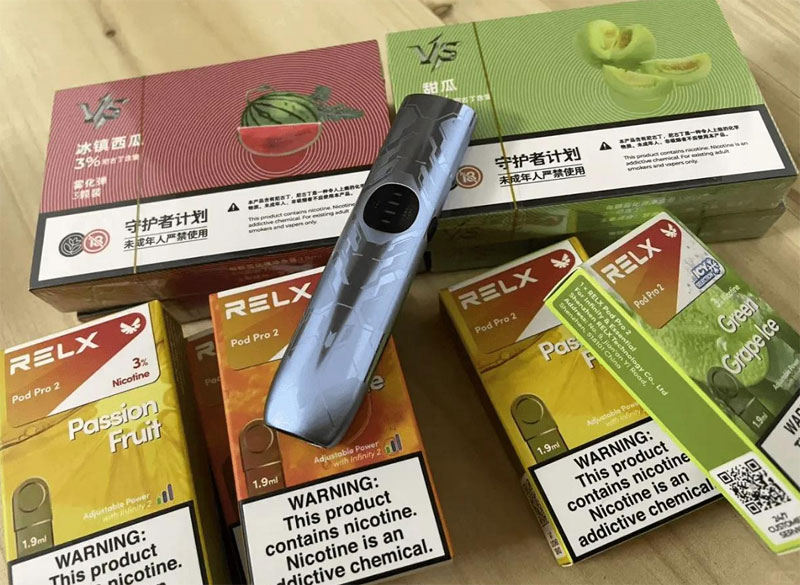 compared to traditional smoking. However, understanding what’s inside these devices is crucial for accurate health assessments. Users should consider factors such as e-liquid ingredients, potential for overheating or malfunction, and battery safety. Studies continue to probe the long-term health effects, making it essential for users to stay informed and responsible.
Frequently Asked Questions
What is the difference between PG and VG in e-liquids? PG offers a stronger throat hit and carries flavor well, while VG produces thicker vapor. Choosing between them depends on personal preference.
How long does a typical e-cigarette battery last? Battery lifespan varies by type and usage, typically ranging from one to several days before needing a recharge.
Are e-cigarettes a safer option than traditional smoking? E-cigarettes are considered less harmful but not entirely risk-free. Continued research is important to understand their long-term effects fully.