E-cigarette Safety: Dispelling Myths and Presenting Facts
With the increasing popularity of e-cigarettes, questions regarding their safety have emerged, creating a landscape filled with both myths and facts. This exploration into ‘e-cigarette safety’ seeks to clarify the common misconceptions and provide well-founded facts that can help users make informed decisions.
The Rise of E-cigarettes
E-cigarettes, also known as vapes, have gained traction as a perceived safer alternative to traditional tobacco cigarettes. Their appeal lies in their potential to deliver nicotine without many harmful byproducts of combustion. However, whether this translates to safe consumption remains a critical topic of discussion.
Key Components of E-cigarettes
- Battery: Powers the device, demands safe charging practices to prevent disasters.
- Atomizer: Heats the liquid leading to vaporization, typically using a coil.
- E-liquid: Combines nicotine, flavorings, and other chemicals; composition and quality vary, raising safety queries.
Despite ignorance about composition, users must understand that the safety of vaping largely depends on the ingredients used in e-liquids and their regulation.
Myths Surrounding E-cigarettes
The plethora of misconceptions around e-cigarettes largely arises from misinformation or anecdotal evidence. Here are some prevalent myths and their truths:
Myth 1: E-cigarettes are completely harmless.
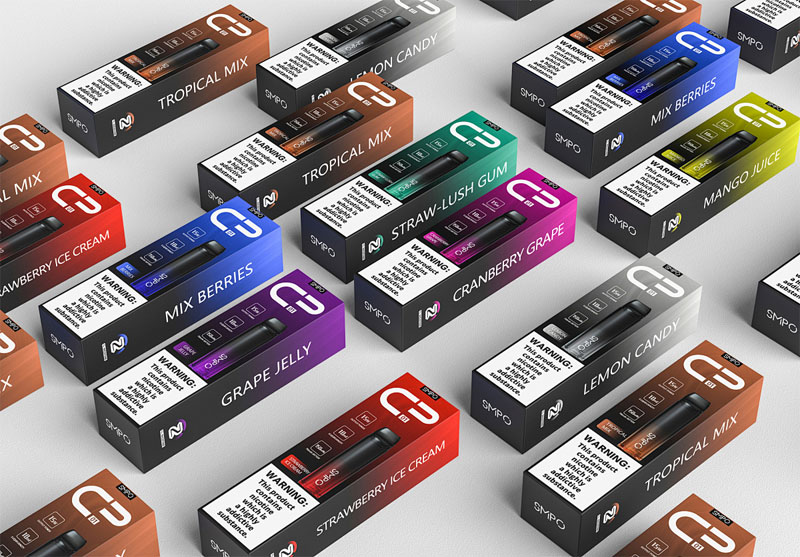 Fact: While they may be less harmful, e-cigarettes are not entirely without risk. Certain e-liquids contain harmful chemicals like diacetyl, linked to lung issues.
Myth 2: E-cigarettes cannot cause addiction.
Fact: Most e-liquids contain nicotine, an addictive substance. The addiction profile is similar to conventional cigarettes, necessitating caution among users.
Scientific Perspective on E-cigarette Safety
Current scientific studies indicate that e-cigarettes might pose lower dangers compared to traditional smoking, but certain risks remain. The debate continues about long-term health effects, yet studies have suggested potential benefits in aiding smoking cessation for some individuals.
Are E-cigarettes Regulated?
Regulations vary by region and often dictate the safety standards of e-cigarette production. Properly regulated e-liquids tend to be safer due to stringent quality checks. Users should prefer brands compliant with local health regulations for assured safety.
Debunking ‘Safer than Safe’ Claims
Though frequently marketed as safer, e-cigarettes are not devoid of risk. The safety discrepancy widely depends on the user’s behavior and awareness of dangers.
Understanding E-cigarette Use
The demographic using e-cigarettes spans diverse age groups and backgrounds. Teens, in particular, pose a unique concern due to susceptibility to nicotine addiction. Awareness campaigns and vaping regulations may mitigate this trend, yet abstaining from nicotine-based products remains the most risk-free choice.
Comparative Analysis with Cigarette Smoking
While some research points to reduced harm from vaping as opposed to smoking, positivity should not overshadow the potential health hazards. Smoking cessation experts occasionally endorse vaping for adults as a transitional tool when quitting cigarettes.
FAQs About E-cigarette Safety
Are e-cigarettes safer than traditional cigarettes? Studies suggest they may be less harmful but not completely safe; awareness of composition and good practices are crucial.
Can e-cigarettes help quit smoking? While some use them as a cessation tool, efficacy varies; consultation with healthcare professionals is advised.
What should consumers look for in e-liquid safety? Prioritize products adhering to safety standards, scrutinize ingredient lists, and opt for reputable brands for minimal risk.