Electronic cigarettes, commonly referred to as e-cigarettes, are devices designed to simulate smoking by delivering nicotine without the toxins associated with tobacco. However, while e-cigarettes are often marketed as safer alternatives, they contain several ingredients that may pose health risks. By understanding these harmful ingredients, one can make more informed and healthier choices when it comes to vaping.
What Are E-Cigarettes Made Of?
E-cigarettes operate by heating a liquid, commonly known as e-liquid or vape juice, to produce an aerosol that users inhale. This liquid typically contains a mixture of nicotine, flavorings, and other chemicals. Let’s delve deeper into these components to understand their impact on health.
Nicotinic Danger
Nicotine is an addictive substance found in e-cigarettes and traditional cigarettes alike. It stimulates the nervous system, enhancing alertness and inducing feelings of pleasure. While nicotine alone is not responsible for the majority of smoking-related diseases, addiction to nicotine can lead to sustained use and exposure to other harmful compounds.
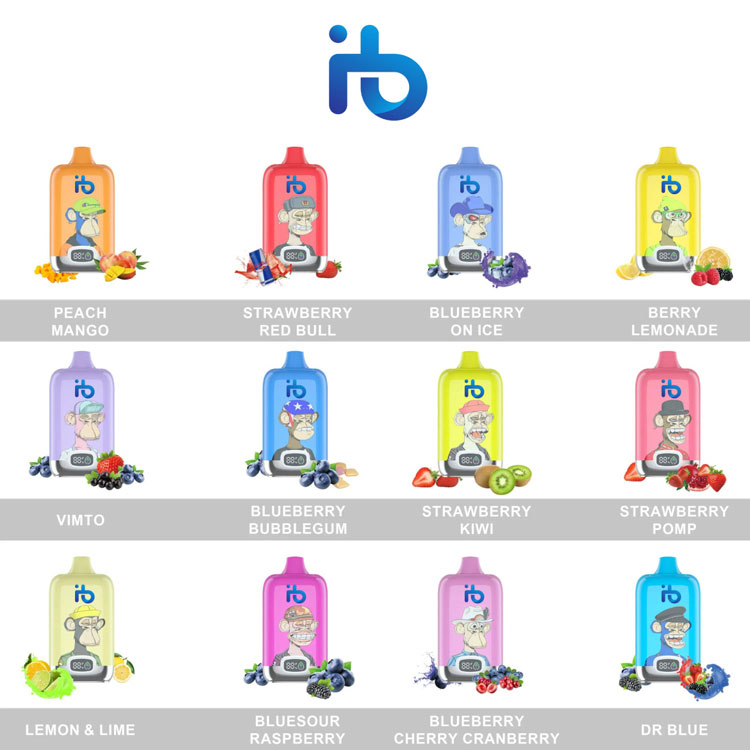
Flavoring Agents
Flavorings are used in e-liquids to make the experience more enjoyable and palatable. However, chemicals used in these flavorings can pose significant risks. For instance, diacetyl, a chemical often found in buttery-flavored e-liquids, can lead to severe respiratory illnesses such as bronchiolitis obliterans, commonly known as “popcorn lung.” Although not all flavorings contain diacetyl, many e-liquid flavors are not extensively tested for inhalation safety.
Propylene Glycol and Vegetable Glycerin
The base of most e-liquids consists of propylene glycol (PG) and vegetable glycerin (VG). PG is used for its ability to create a throat hit similar to smoking, while VG produces thicker clouds. Although considered safe for consumption, these chemicals can irritate the respiratory tract when inhaled and may lead to asthma or allergy-like symptoms in sensitive individuals.
Metals and Particulates
The heating mechanisms in e-cigarettes can cause metal particles like nickel, lead, and chromium to leach into the aerosol and be inhaled by users. Regular exposure to these metals can lead to lung irritation and increase the risk of developing cancer. Furthermore, repeated inhalation can cause particulates to settle in the lungs, which is harmful over time.
Emerging Concerns
Recent studies have highlighted the presence of other dangerous chemicals such as formaldehyde in e-cigarette vapor, especially when the devices are operated at high temperatures. Formaldehyde, a recognized carcinogen, is formed when propylene glycol or glycerin overheats, posing additional cancer risks.
FAQs
What should I look for in safer e-cigarette options? Aim for e-liquids that are clearly labeled with their ingredients and avoid products with known harmful substances like diacetyl. Opt for reputable brands that conduct regular quality testing.
Are e-cigarettes completely safe? While e-cigarettes may be less harmful than traditional cigarettes, they are not completely risk-free. Users are still exposed to nicotine, and potentially harmful chemicals through inhalation.

How can I reduce the risks associated with e-cigarette usage? Reduce frequency of use, choose e-liquids with lower nicotine concentrations, and avoid overuse which can lead to device overheating and the production of additional harmful compounds.