Understanding E-Cigarettes: Evaluating Health Risks and Embracing Safer Vaping Habits

E-cigarettes, widely known as vapes, have surged in popularity over the past decade, especially among young adults and those aiming to quit traditional cigarettes. However, before you decide to embrace vaping, it is essential to have a thorough understanding of e-cigarettes health risks and explore evidence-based strategies for reducing potential harm. This article provides a comprehensive examination of e-cigarette health impacts, scientific findings, and practical tips for safer vaping practices.
Examining the E-Cigarettes Health Risks
The health risks associated with e-cigarettes remain a topic of ongoing investigation. While vaping is widely believed to be less harmful than smoking combustible cigarettes, it is far from risk-free. E-cigarette aerosol can contain nicotine, flavorings, heavy metals (such as lead and nickel), volatile organic compounds, and even carcinogenic chemicals. Therefore, understanding these risks is crucial for making informed decisions about your health.
- Respiratory Concerns: The fine and ultrafine particles found in e-cigarette vapor can penetrate deep into the lungs and may increase the risk of conditions such as bronchitis, respiratory infections, and even exacerbation of asthma symptoms.
- Cardiovascular Risks: Nicotine, a principal ingredient in most e-liquids, is known to elevate blood pressure and heart rate, contributing to a higher chance of heart disease and stroke over long-term use.
- Lung Injury: Outbreaks of severe lung injury associated with e-cigarettes and vaping products—often linked to THC-containing products or those with vitamin E acetate contaminants—highlight the unpredictable dangers related to unregulated or illicit vaping solutions.
It is also relevant to note that while many e-cigarettes are marketed as smoking cessation aids, research indicates that some users still transition to or combine vaping with traditional smoking, potentially compounding health risks rather than eliminating them.
Are E-Cigarettes Actually Safer?
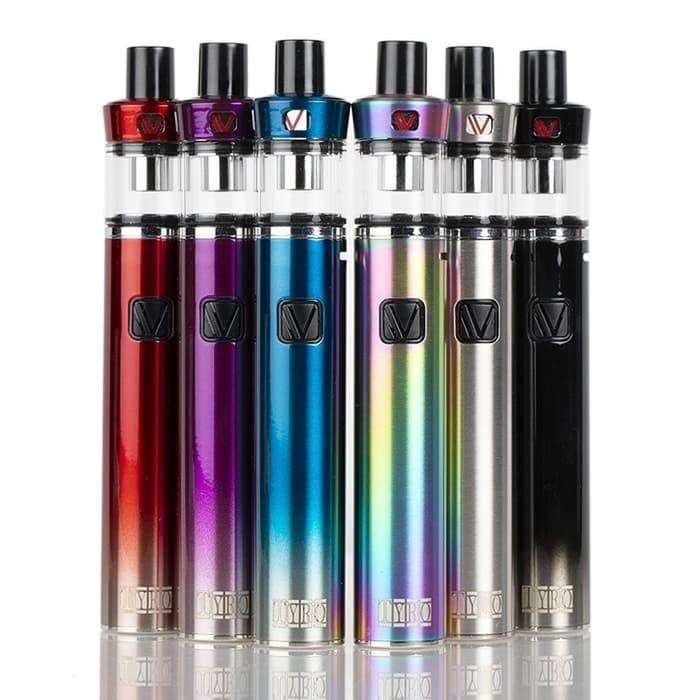
E-cigarettes are often referred to as a “safer alternative” to combustible tobacco products. While they usually contain fewer toxic substances than cigarettes, the long-term effects of e-cigarette use remain unknown. Recent studies suggest that users who switch completely from smoking to exclusive vaping may lower their exposure to certain carcinogens, but they do not become risk-free. The e-cigarettes health risks include potential nicotine addiction, exposure to harmful compounds, and risks for adolescents—including impacts on brain development and increased susceptibility to addictive behaviors.
Vulnerable Groups: Are Teens and Pregnant Women at Risk?
Recent surveys indicate a sharp uptick in e-cigarette use among teenagers. This is particularly concerning since the adolescent brain is sensitive to nicotine, elevating the risk of lifelong addiction and negative impacts on cognitive, emotional, and behavioral development. Pregnant women should avoid vaping, as nicotine exposure is linked with premature birth, low birth weight, and impaired fetal brain development. Health professionals emphasize the need for rigorous policies to restrict youth access to e-cigarettes and raise public awareness about their health risks.
Common Ingredients and Their Implications
Even though e-liquids usually consist of propylene glycol, vegetable glycerin, flavorings, and nicotine, the health effects of inhaling these substances—especially over long periods—are not fully understood. Some flavoring chemicals, such as diacetyl (linked with “popcorn lung”), have been found in certain vape juices. Metal coils may also leach nickel, tin, or lead into the vapor. The presence of dangerous compounds is a significant contributor to overall e-cigarettes health risks.
Practical Tips for Safer Vaping
- Use Reputable Brands: Opt for e-cigarettes and e-liquids from established companies that comply with safety regulations.
- Inspect Product Labels: Always read the ingredient list and avoid products with unclear or proprietary blends.
- Steer Clear of Counterfeit or THC-containing Products: Illegally sourced vape cartridges have been linked to acute lung injuries. Ensure your products are legitimate and ideally free of THC and vitamin E acetate.
- Monitor Nicotine Levels: Select the lowest effective nicotine concentration and gradually reduce it over time if you wish to minimize dependency.
- Maintain and Clean Devices: Regularly cleaning your vaping device can prevent the buildup of harmful residues.
- Stay Informed: New findings on vaping emerge regularly, so review updates from credible sources like the CDC and WHO.

Comparing Vaping with Smoking: Is There a Third Option?
While vaping may reduce certain health risks compared to smoking, abstinence from all nicotine and tobacco products is ultimately the healthiest choice. For those attempting to quit smoking, options like behavioral therapy, prescription medications, or nicotine replacement therapies should be evaluated, possibly alongside or instead of vaping. Reach out to a healthcare provider for tailored cessation support.
Frequently Asked Questions About E-cigarettes Health Risks
- 1. Are e-cigarettes completely safe?
- No. While they may carry fewer toxic substances than cigarettes, they still pose health risks, including nicotine addiction and lung damage.
- 2. What is popcorn lung, and can vaping cause it?
- Popcorn lung (bronchiolitis obliterans) has been linked to inhaling diacetyl, a chemical found in some flavorings. Some vape juices contain diacetyl, posing a risk to users.
- 3. Can e-cigarettes help me quit smoking?
- Some people report success in using e-cigarettes to quit smoking. However, they are not FDA-approved cessation devices. Results vary, and non-vaping cessation methods may be more effective for some individuals.
If you have further questions regarding e-cigarettes health risks, or need guidance for safer vaping, consult a healthcare professional promptly.