Understanding the Impact of Electronic Cigarette Vapor on Non-Users
The increasing popularity of electronic cigarettes, commonly called e-cigarettes or vapes, has raised many questions about the health effects of their vapor—especially concerning exposure for people who don’t use these devices. Are bystanders at risk when exposed to secondhand vapor? To address this, let’s explore the scientific consensus, the composition of vape emissions, regulatory perspectives, and practical advice for those concerned about the potential harm associated with vapor from electronic cigarettes.
What Exactly Is in E-Cigarette Vapor?
E-cigarette vapor is fundamentally different from traditional cigarette smoke. Unlike the result of combustion, vapor is generated by heating a liquid solution often containing propylene glycol, vegetable glycerin, flavorings, and nicotine. When inhaled, the device produces an aerosol that the user exhales. So, what does this mean for those in the vicinity?
- The aerosol contains nicotine, ultrafine particles, volatile organic compounds (VOCs), and trace metals. Some studies report the presence of formaldehyde and acetaldehyde, which can pose health concerns.
- Propylene glycol and glycerin, while considered relatively safe for consumption, may cause throat or eye irritation when airborne, especially in enclosed spaces.
- Unlike the dense and persistent smoke of tobacco, vapor rapidly disperses, potentially reducing sustained exposure for bystanders.
Scientific Findings on Passive Exposure
Research into secondhand vapor exposure is ongoing, and results are evolving. Several studies suggest that while vape emissions have fewer dangerous chemicals than conventional cigarette smoke, they are not entirely harmless. Passive exposure to nicotine is a genuine concern, particularly for children, pregnant women, and individuals with pre-existing health conditions.
A 2016 report from the National Academies of Sciences, Engineering, and Medicine concluded that there is substantial evidence that e-cigarette vapor contains nicotine and particulates that can be inhaled involuntarily by non-users. Though these chemicals are present at much lower levels than those found in combustible cigarettes, long-term effects of regular exposure to secondhand vapor are still under study.
Potential Health Risks to Others
Among the most frequently discussed concerns are:
- Nicotine Exposure: Involuntary inhalation of nicotine can affect brain development in children and fetuses, raise blood pressure, and cause addiction in some cases.
- Irritation: Many people report immediate symptoms such as cough, sore throat, or irritation to the eyes and respiratory system when near vaping devices.
- Allergic Reactions: Flavoring agents, especially those containing diacetyl and benzaldehyde, have been linked to respiratory issues, with some sensitive individuals experiencing allergic responses.
Furthermore, lack of standardization in ingredients, device type, and usage practices creates variations in what is emitted and, thus, in possible health impacts.

Comparing Vape Emissions to Cigarette Smoke
The consensus among researchers is that while e-cigarette vapor is less toxic than traditional cigarette smoke, it is not entirely safe. Cigarette smoke contains carcinogenic tar, high levels of VOCs, and known cancer-causing agents. Vape vapor has far fewer and generally lower concentrations of these substances, but some toxins persist.
- Levels of toxic metals and carbonyl compounds found in vape aerosol are usually lower than those in tobacco smoke.
- Nicotine absorption rates can vary depending on device power, liquid composition, and puffing style.
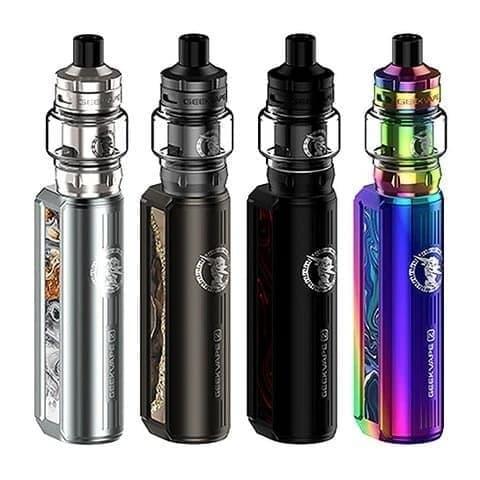
- The risk is elevated with “sub-ohm” vaping devices, which generate more vapor and higher temperatures, potentially increasing harmful emissions.

Regulatory Perspectives and Public Policies
Health organizations and governments worldwide are beginning to recognize secondhand vapor exposure as a potential public health concern. The U.S. Centers for Disease Control and Prevention (CDC) recommends restricting e-cigarette use in enclosed public spaces, mirroring many of the rules applied to traditional smoking. Several countries and municipalities have enacted legislation prohibiting vaping where smoking is banned, aiming to protect non-users—especially children and the elderly—from possible harm.

Tips for Minimizing Risks to Others
- Avoid vaping indoors, especially near children, pregnant women, and those with respiratory conditions.
- Use vaping devices in well-ventilated areas to help disperse the vapor and limit contact with others.
- Be aware of local laws and respect designated smoke-free zones, which often include e-cigarettes.
Responsible use and consideration for those around you go a long way to reducing potential harm.
Myths vs. Facts: Clearing Up Misconceptions
There is a widespread misconception that exhaled e-cigarette vapor is “just harmless water vapor.” Scientific analyses show that while vapor contains fewer toxins than cigarette smoke, it still delivers substances such as nicotine, fine particulates, and various chemicals to the air. The impact of these exposures, especially over the long term, remains an area of active research.
Future Directions: Anticipated Research Developments
With the rapid evolution of vaping products, more research is needed to fully understand the health impacts of secondhand vapor. Studies on chronic exposure, effects on indoor air quality, and possible connections to diseases like asthma and heart conditions are expected to guide future public health recommendations and regulations.
Takeaway for Concerned Non-Users
While electronic cigarettes may present a lower health risk than traditional tobacco products, it remains crucial to protect vulnerable individuals from unnecessary exposure. Those worried about passive inhalation of vape emissions should seek environments that minimize contact and advocate for clear policies about vaping in public and shared spaces.
FAQ
- Can secondhand vapor from e-cigarettes cause health problems?
Current evidence suggests that while risk is lower than passive cigarette smoke, non-users can still be affected by nicotine, fine particles, and possible respiratory irritants present in vapor. Sensitive groups should avoid exposure. - Is it safe to vape around children or pregnant women?
No. Health experts advise that vulnerable populations, including children and pregnant women, should not be exposed to e-cigarette vapor due to its nicotine and chemical content. - Does secondhand vapor smell or linger like cigarette smoke?
E-cigarette vapor typically disperses faster and leaves less residual odor than tobacco smoke. However, it does contain substances that may affect indoor air quality and sensory comfort.
If you are concerned about passive exposure, the safest bet is to avoid areas where vaping occurs or request smoke-free and vape-free policies to ensure clear air for everyone.